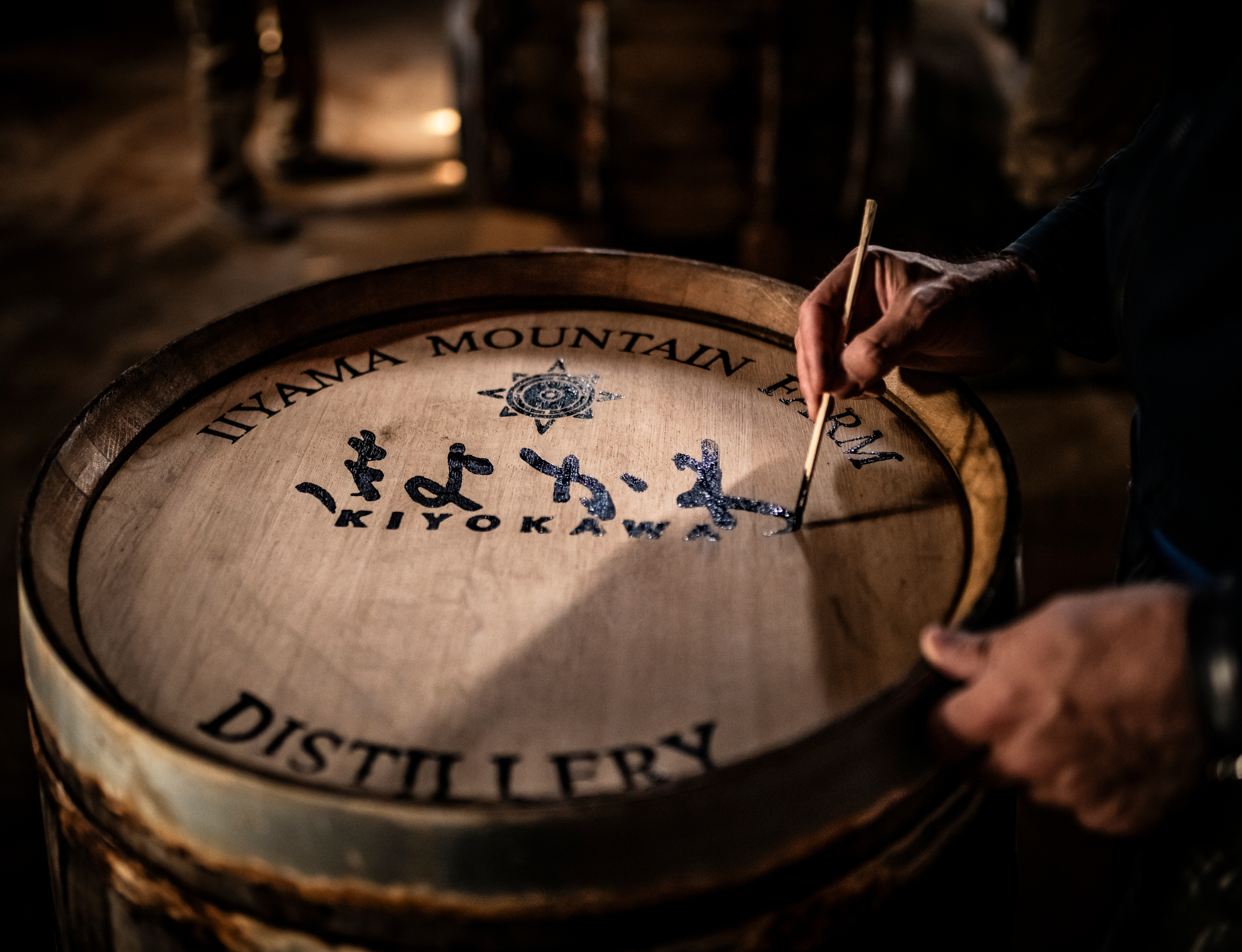
Cask selection plays a central role in shaping the character of Japanese whisky. From the earliest days of production to the modern era, distilleries across Japan have relied on a range of wood types to influence aroma, texture and flavour. While certain casks are shared with Scotch whisky traditions, others are distinctive to Japan.
This article outlines the principal cask types used in Japanese whisky, explains why they are chosen and clarifies how recent regulations have shaped their use.
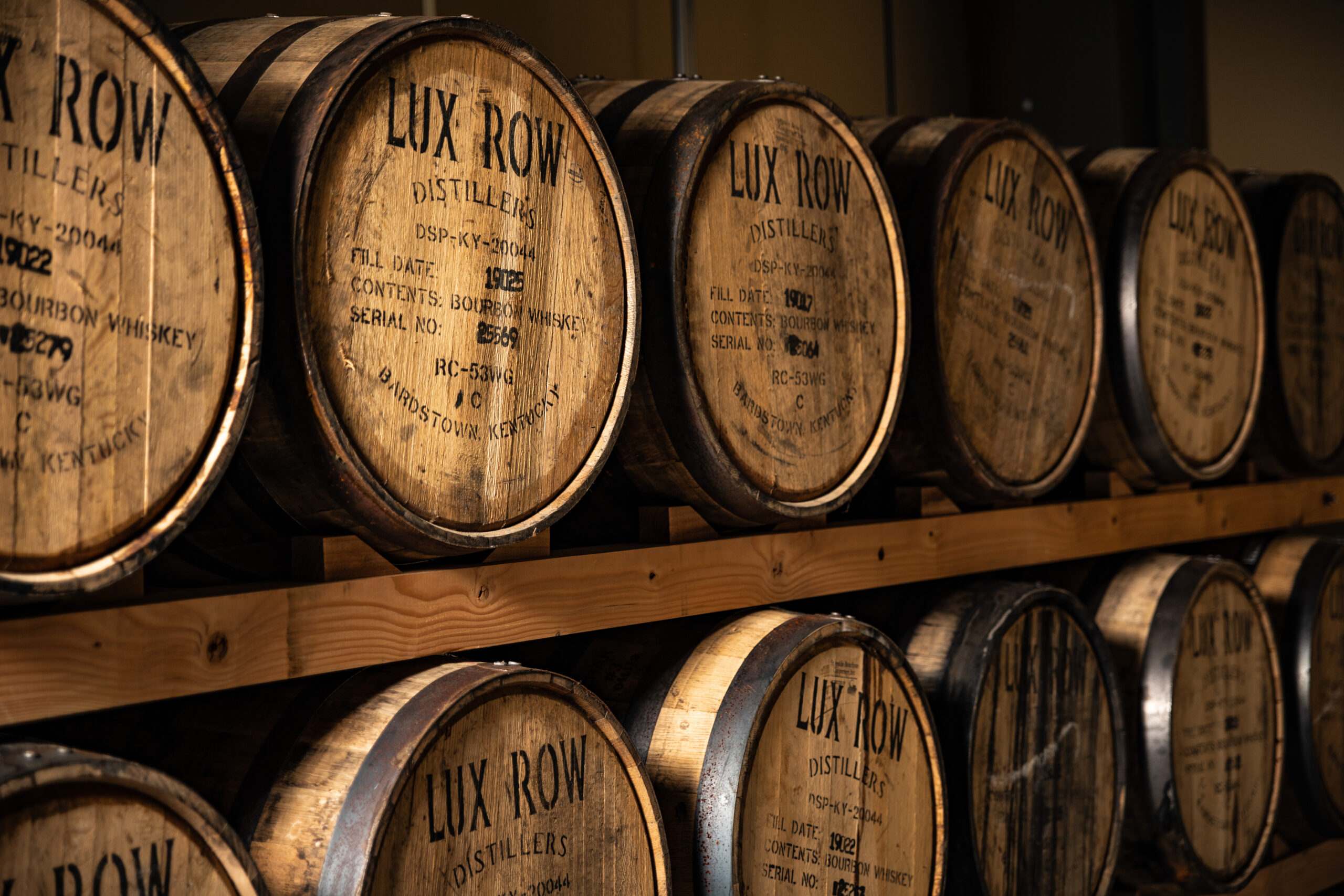
Ex-bourbon barrels are among the most widely used casks in Japanese whisky production. These casks are typically made from American white oak and have previously been used to age bourbon in the United States.
By law, bourbon must be matured in new charred oak barrels. Once emptied, these barrels are often exported and reused by whisky producers around the world, including in Japan.
Ex-bourbon casks are valued for notes of vanilla, coconut and honey, gentle spice and caramel sweetness, and a relatively consistent and predictable maturation profile.
Japanese distilleries use these casks to build a clean, balanced foundation. They are often employed in both single malt and blended whisky production, where clarity and structure are important.
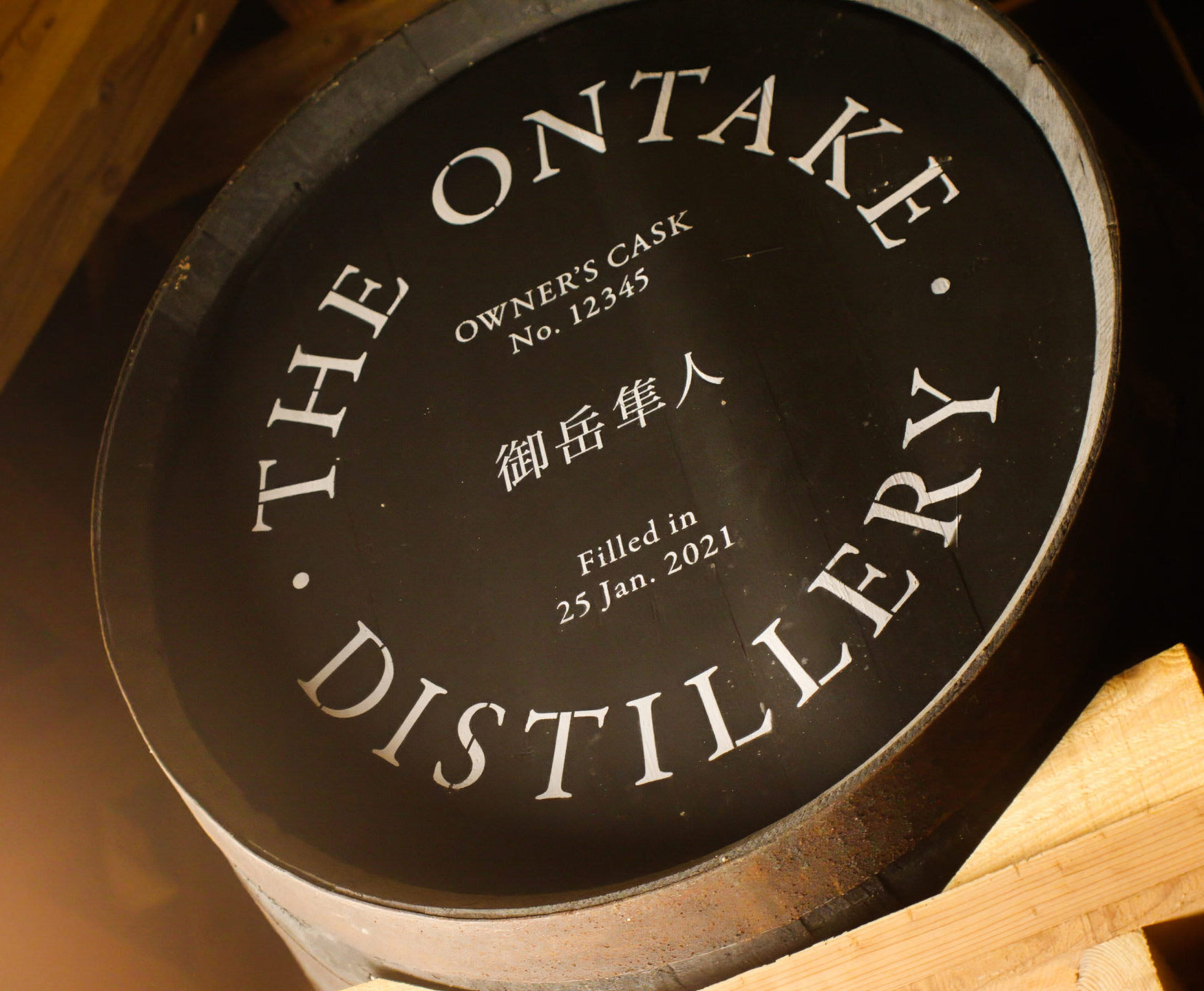
Sherry casks, typically sourced from Jerez in south Spain, are another key component in Japanese whisky maturation. These casks have previously held fortified wines such as Oloroso or Pedro Ximénez. They contribute dried fruit flavours such as raisin and fig, rich sweetness and depth, and darker colour and fuller body.
Japanese distillers often use sherry casks more selectively than ex-bourbon casks due to their strong influence. When used carefully, they add complexity and structure, particularly in older expressions and premium releases.
Karuizawa, for example, famously used Oloroso sherry butts to mature its whisky over long periods of time. A choice that contributed to its signature profile of rich dried fruits, dark chocolate and deep, concentrated spice. The revived Karuizawa distillery continues with that same approach today.
While Japan adopted many whisky-making practices from Scotland, it also developed its own approach to wood management. Several cask types are uniquely used in Japanese whisky maturation.
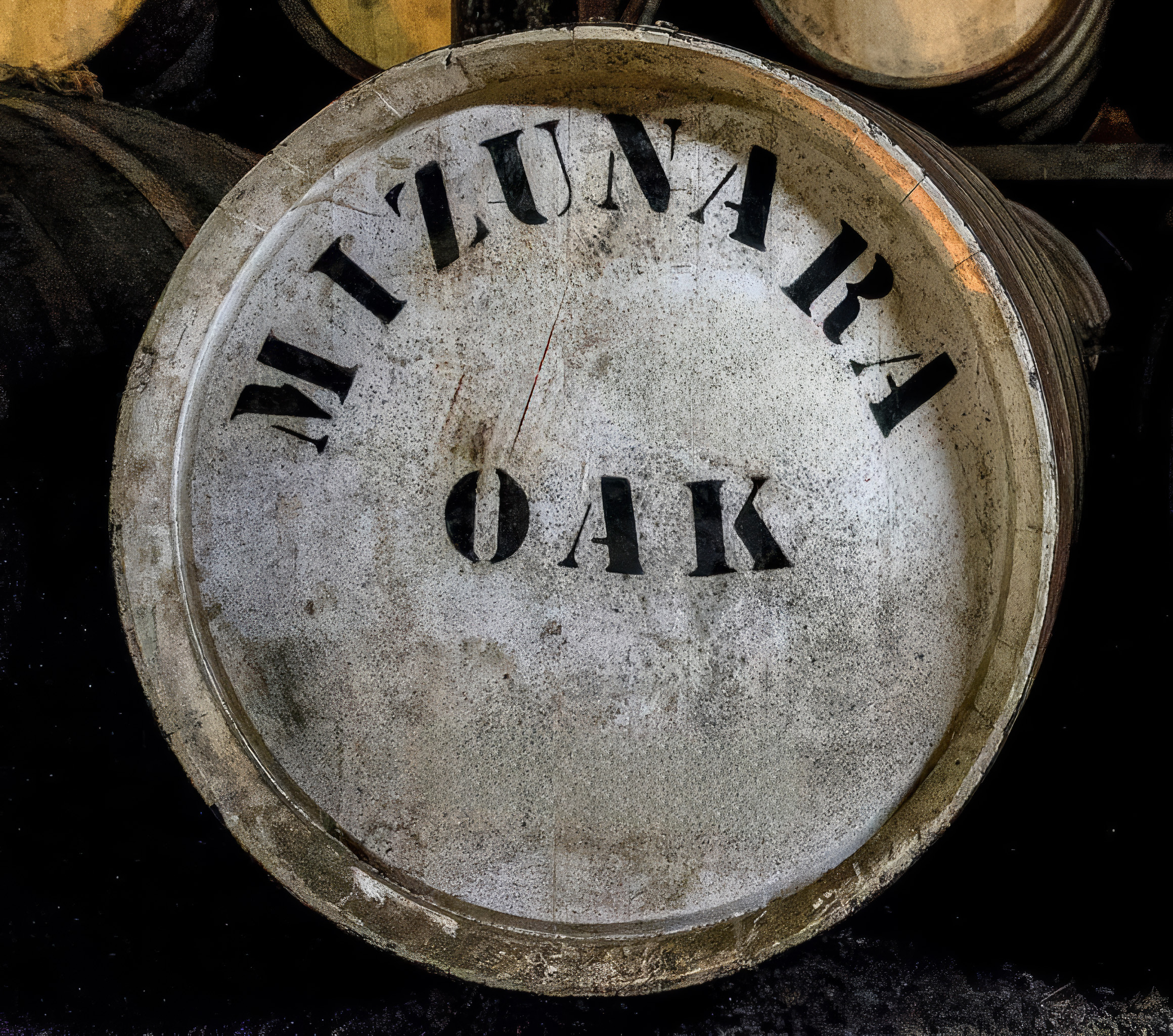
Mizunara oak is one of the most recognisable cask types in Japanese whisky. Native to Japan, this oak species presents unique challenges and rewards. Mizunara is difficult to work with due to its porous structure. It is prone to leakage and requires long seasoning periods before it goes to the cooperage. Despite this, it remains highly valued.
Flavour contributions include sandalwood, incense-like aromas, coconut and subtle spice.
Historically, mizunara gained prominence during the early to mid-20th century when imported casks were scarce. Today, it is used both for maturation and finishing, often in limited quantities due to cost and availability.
Its scarcity also means that whiskies matured in Mizunara tend to command higher retail prices.
A clear example is the Yamazaki 18 Year Old Mizunara Cask, where the use of rare Japanese mizunara oak significantly elevates both scarcity and price; recent releases typically sit around $1,500–$2,100+ while limited editions such as the 2017 bottling have reached around $9,500 or more on the secondary market.
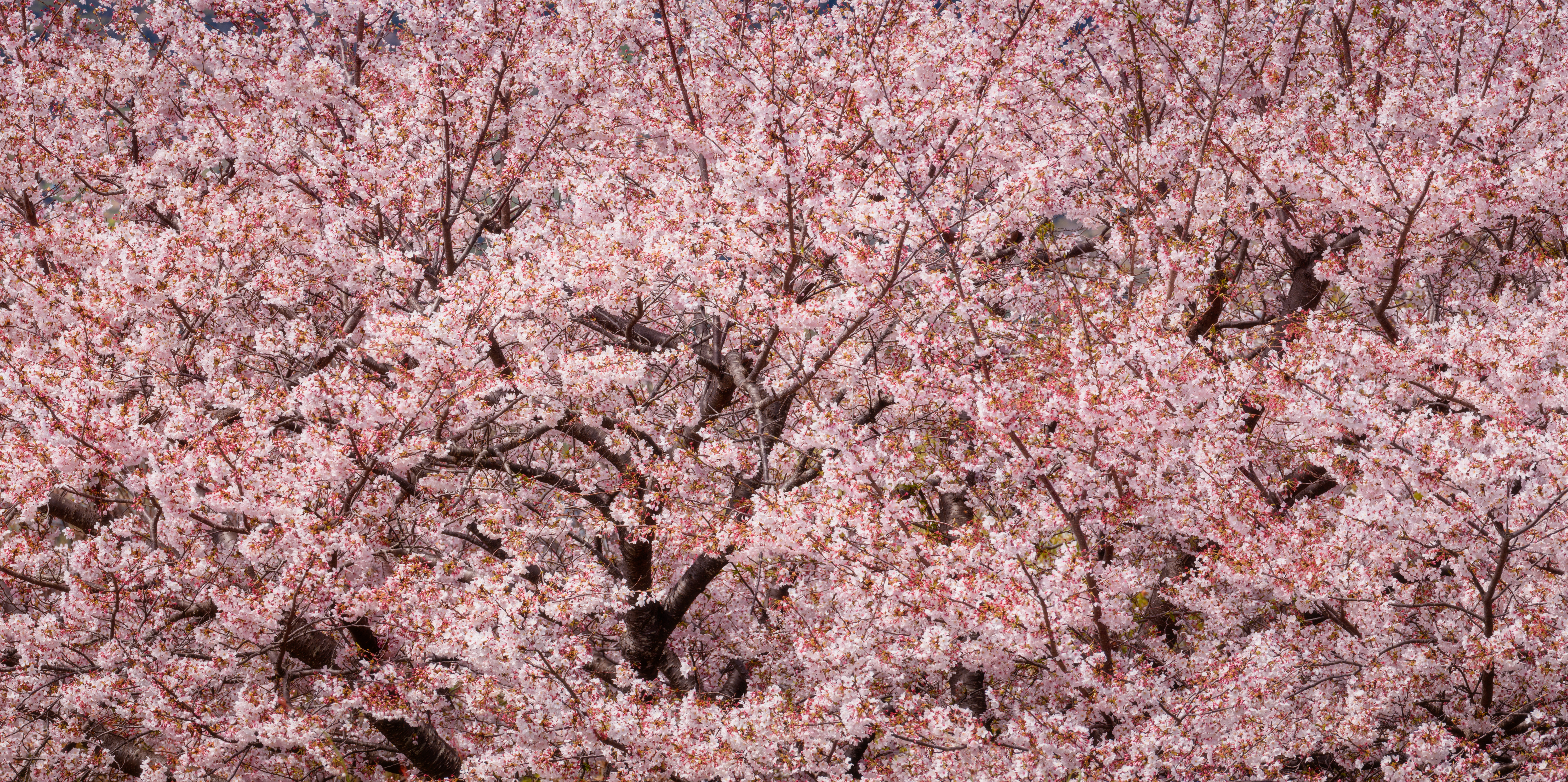
Sakura, or Japanese cherry wood, has also been explored as a cask material in recent years.
Like cedar, sakura is not traditionally used for long-term maturation. However, it has gained attention for finishing casks.
Typical influences include light floral notes, subtle sweetness and delicate fruit character.
Sakura casks are usually employed for short finishing periods rather than full maturation, as their influence can be quite pronounced relative to their structural strength.
A commercially available example is Matsui’s “Sakura Cask,” a single malt matured in Japanese cherry wood casks, demonstrating how distilleries apply sakura to introduce floral and lightly sweet characteristics.
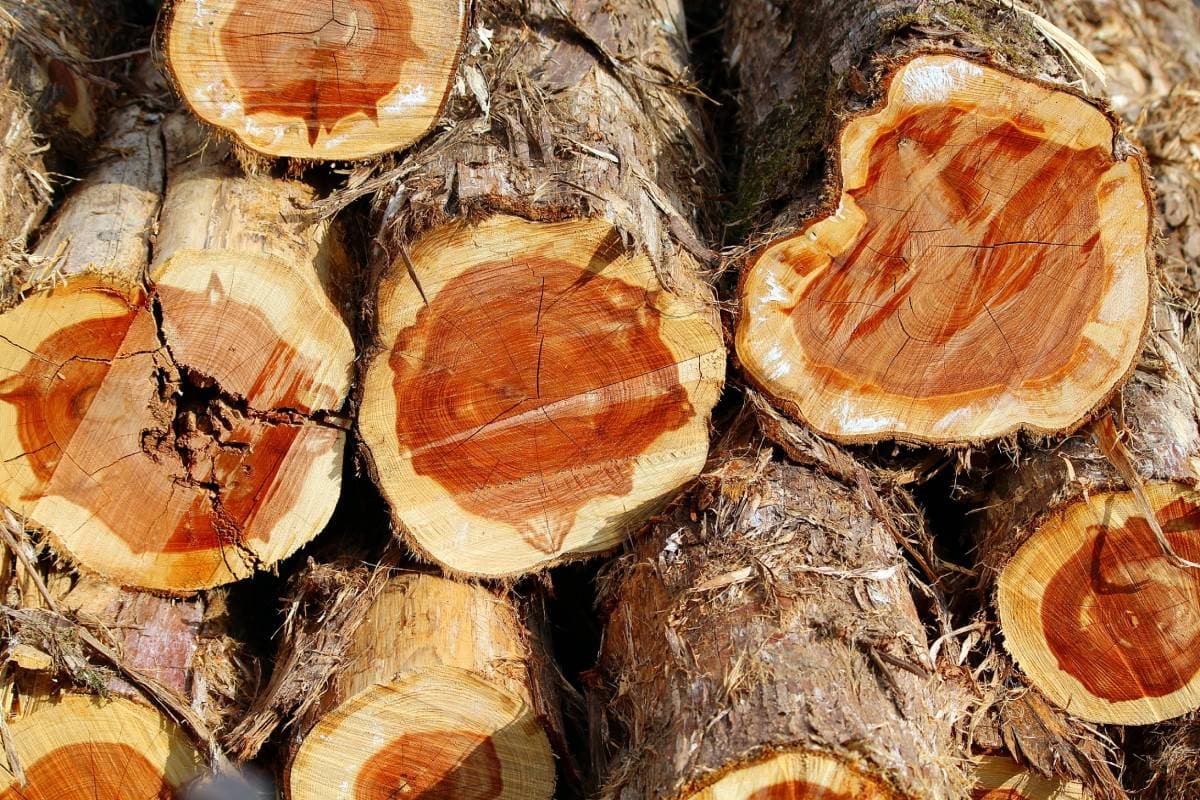
Japanese cedar, known as sugi, has occasionally been used in whisky maturation, although it is far less common than oak.
Cedar is softer than oak and more aromatic. Its use in whisky is limited because it can impart strong resinous notes and lacks the structural properties that make oak ideal for long-term aging.
When used, cedar can contribute herbal characteristics, light, woody aromas and a different texture compared to oak-aged whisky.
Its application is generally experimental or limited to specific projects rather than standard production.
Before formal standards were introduced, the definition of “Japanese whisky” was not strictly controlled. Producers had significant flexibility in sourcing and production.
This led to several practices:
- Use of imported whisky, sometimes blended and bottled in Japan
- Maturation in a wide variety of cask types without clear restrictions
- Limited transparency around production methods
During this period, cask selection was driven more by availability and cost than by regulation. Mizunara, for example, was used extensively during times when imported oak was difficult to obtain.
In 2021, the Japan Spirits & Liqueurs Makers Association introduced a set of voluntary standards to define Japanese whisky. These came into effect in April 2024.
Under these standards:
- Whisky must be fermented, distilled and matured in Japan
- Maturation must take place in wooden casks with a capacity of no more than 700 litres
- The spirit must be aged for a minimum of three years in Japan
- Bottling must occur in Japan
Notably, the regulations specify the use of “wooden casks” but do not restrict the type of wood to oak. This allows for continued experimentation with materials such as cedar and sakura, provided the other criteria are met.
Today, cask selection in Japanese whisky reflects both established practice and experimentation. Ex-bourbon and sherry casks continue to provide the foundation, while native woods such as mizunara, sakura and, more rarely, cedar are used to introduce specific aromatic and textural elements unique to Japan. With the introduction of industry standards in 2021, greater clarity now exists around production and maturation in Japan, while still allowing flexibility in the choice of wood. As a result, cask type remains one of the most important variables in defining the character of Japanese whisky.
Published: May 7, 2026Author: Billy Craigan