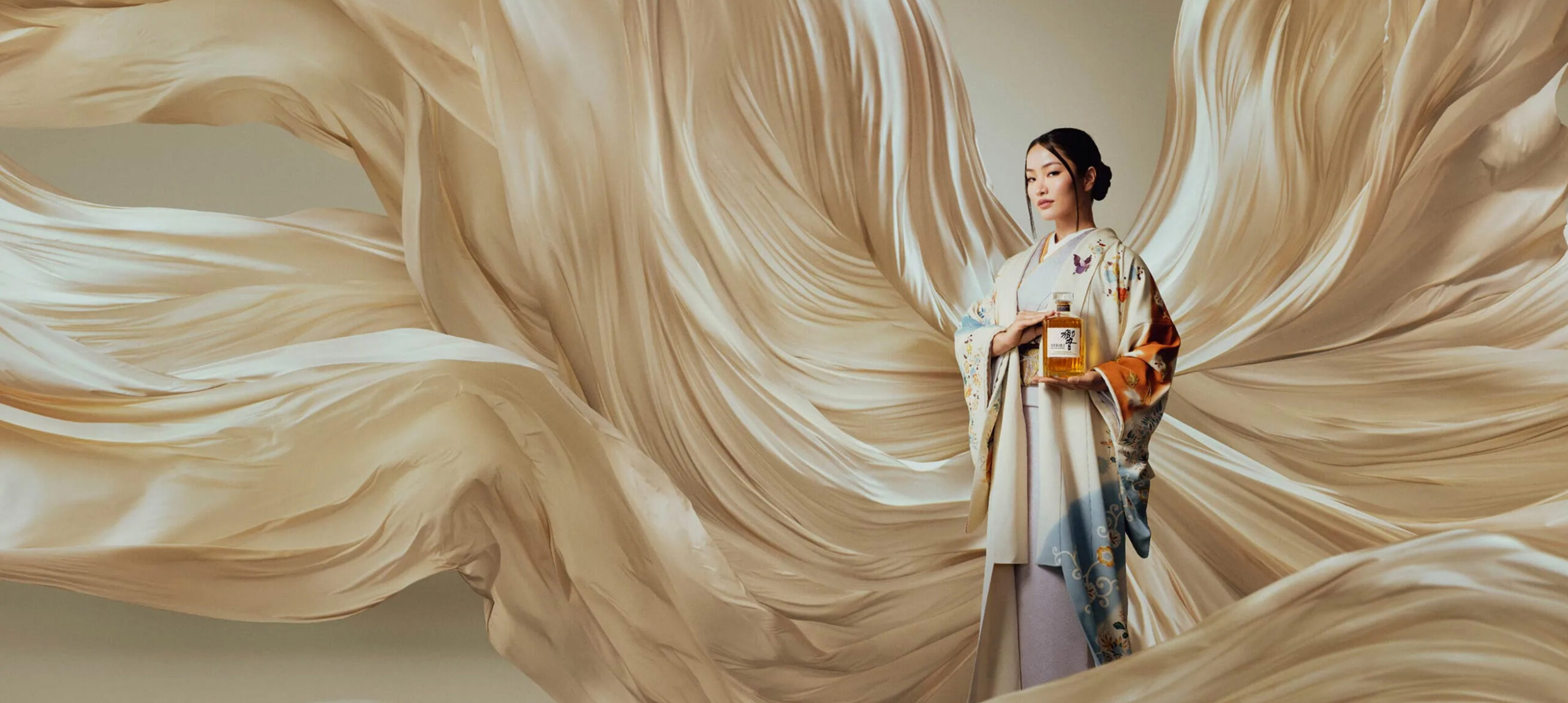
Over nearly four decades, Hibiki has become one of the most iconic whisky brands in the world, and until recently, it did so without any major celebrity endorsements.
Since its debut in 1989, Suntory's flagship blended whisky has become one of the world's most recognisable premium spirits, admired for its elegance, blending wizardry and unmistakably Japanese philosophy of harmony, or wa. The brand has rarely relied on famous faces to tell its story. However, that changed in May 2026.
Suntory announced that award-winning actress Anna Sawai had become Hibiki's first-ever Global Ambassador, launching a new worldwide campaign titled The Masterpiece of Japanese Artistry. It is a landmark moment, not only for Hibiki, but for how one of Japan's most prestigious whisky brands chooses to present itself to an international audience.
At first glance, the partnership may appear to be another luxury brand collaborating with a Hollywood star. But look closer and it becomes clear that this is something altogether different.
Rather than celebrating celebrity, the campaign celebrates Japanese artistry. Sawai is presented not simply as an actress, but as one of several contemporary custodians of Japanese craftsmanship, alongside Hibiki's master blenders and the artisans of Kyoto's historic Chiso kimono house. Every element of the campaign has been carefully considered, from the bespoke kimono she wears to the symbolism woven into its design.
The timing is equally significant. Over the past decade, Japanese culture has enjoyed unprecedented international appreciation. Japanese cuisine has become a global benchmark for fine dining. Architecture, fashion, design, ceramics and traditional crafts have found new audiences around the world. Tourism to Japan continues to reach record levels, while Japanese whisky has transformed from a niche collector's interest into one of the world's most sought-after spirit categories.
At the same time, Anna Sawai has emerged as one of Japan's most internationally recognised performers. Following acclaimed performances in Pachinko, Monarch: Legacy of Monsters and, most notably, Shōgun, she has become part of a new generation of Japanese actors introducing authentic Japanese stories to audiences across the globe.
Seen in that context, the elements all blend together harmoniously just like the whisky itself. Both Hibiki and Sawai have spent years earning international recognition while remaining deeply connected to Japan.
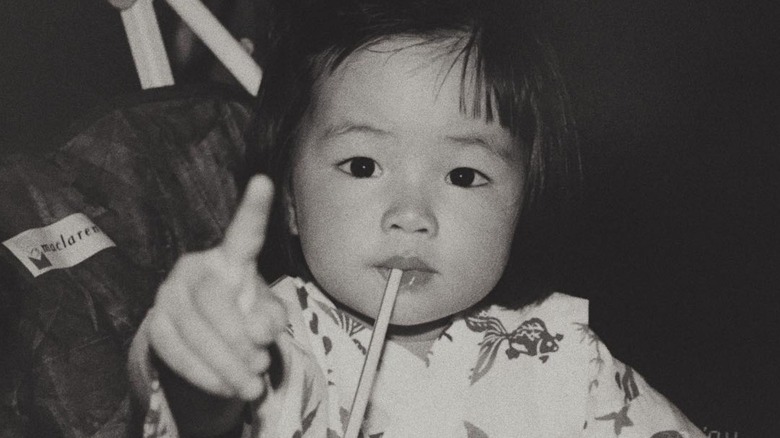
Born on 11 June 1992 in Wellington, New Zealand, Sawai was raised in a Japanese family whose international lifestyle would profoundly shape her outlook. Because of her father's career in the electronics industry, the family relocated frequently during her childhood, spending time in Hong Kong and the Philippines before settling permanently in Yokohama when she was around ten years old.
Growing up across several countries gave Sawai something relatively rare among Japanese performers: complete fluency in both Japanese and English, as well as an instinctive understanding of different cultures.
At just eleven years old, Sawai won the lead role in the Japanese production of Annie, one of the country's most competitive children's theatre productions. Beating thousands of applicants, she performed before national audiences in what became her first major professional success.
It was an early indication of the discipline that would define her career. Rather than finding overnight success later in life, Sawai spent more than two decades gradually refining her acting skills.

Following her success in Annie, Sawai joined Avex, one of Japan's largest entertainment companies.
The years that followed were far removed from the glamour often associated with the entertainment industry. Young performers underwent intensive daily training that covered singing, dance, acting, physical conditioning and stagecraft. In interviews, Sawai has described the experience as demanding, requiring years of commitment before opportunities arrived.
Like many young performers in Japan, Sawai's first major opportunity came through music. In 2013, she joined FAKY, a girl group formed by entertainment giant Avex with ambitions of reaching audiences beyond Japan. Unlike many J-pop acts at the time, FAKY performed primarily in English, blending contemporary pop, R&B and dance music with an international image.
FAKY provided an invaluable opportunity to perform on major stages, refine her skills as a singer and dancer and build a fan base. She has since spoken warmly about her bandmates, saying she "had so much fun" during her time with the group. But beneath that success was a growing sense that something was missing.
As FAKY's popularity grew, Sawai found herself increasingly frustrated by the restrictions that came with idol life. Although acting had long been her ambition, she was often unable to audition for roles because of the group's schedule and contractual obligations. "It's not about what you want to do, but what the company allows you to do," she later reflected. "I felt like I wasn't really valued as the artist that I am. I was more of a product to the company that I was with."
"I had to choose myself"
Sawai left FAKY in 2018. It was a gamble that would pay off.
Her breakout acting role came in the acclaimed BBC and Netflix crime drama Giri/Haji, where Western audiences saw an actress capable of moving effortlessly between Japanese and English-language productions, something relatively few performers had achieved at the time. Hollywood soon followed.
Her career quickly gathered momentum. Sawai landed roles in F9, Apple TV+'s acclaimed Pachinko and Monarch: Legacy of Monsters. Then came Shōgun.
FX's Shōgun was already one of the most anticipated television productions in years before it premiered in 2024.
Based on James Clavell's celebrated novel, the series promised sweeping historical drama, political intrigue and spectacular production values. What audiences perhaps didn't anticipate was just how culturally significant the series would become.
Rather than presenting Japan through a Western lens, Shōgun placed Japanese characters, language and history at the centre of the story. Nearly seventy percent of the dialogue was spoken in Japanese, historical consultants were involved throughout production, and authenticity became one of the production's defining principles. At the heart of the series was Anna Sawai's portrayal of Lady Mariko.
Mariko is one of the story's most complex characters: intelligent, politically astute and measured, yet carrying profound personal conflict beneath an outward composure. Sawai’s performance is sublime and internationally recognised as such. She went on to win the Primetime Emmy Award for Outstanding Lead Actress in a Drama Series, becoming the first Japanese actress in history to receive the honour. That achievement was followed by a Golden Globe Award and Screen Actors Guild Award.
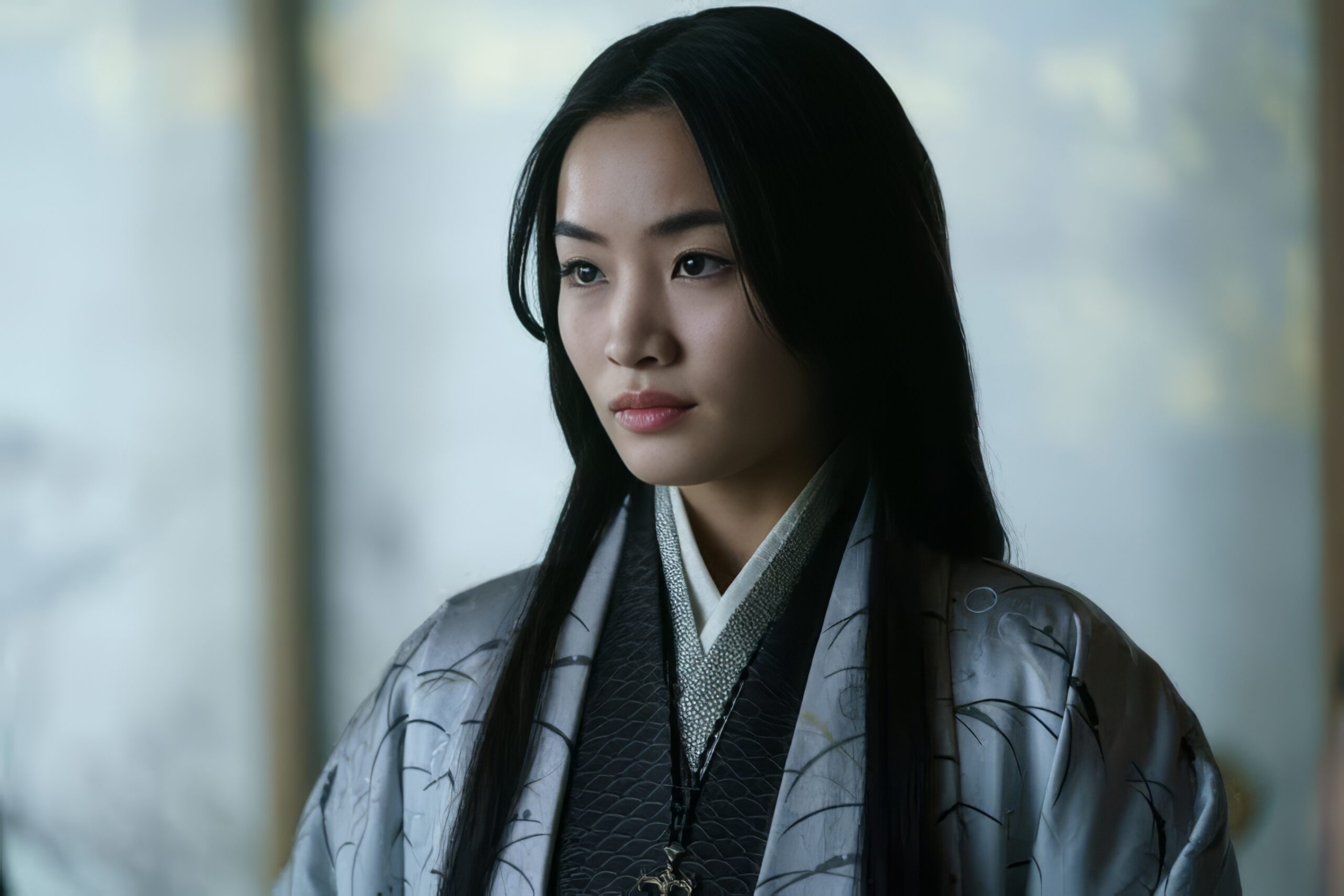
Shōgun became a global cultural phenomenon not simply because it was entertaining, but because it presented Japanese history and culture with authenticity. From language and costume to architecture, etiquette and the sometimes ugly brutality of Samurai culture, the series treated Japanese history and tradition with respect.
For decades, Hibiki has introduced international drinkers to Japanese whisky without compromising the values that make it distinct. Rather than adapting itself for global tastes, the brand has invited the world to appreciate Japanese aesthetics and craft on their own terms.
Sawai represents something similar. She has built an international career by embracing her Japanese identity. Whether performing in Tokyo or Hollywood, she has consistently chosen roles that showcase Japanese stories with honesty.
Seen through that lens, her appointment as Hibiki's first Global Ambassador feels correct. She represents a modern generation of Japanese creatives whose work demonstrates that tradition and global success are not opposing ideas.
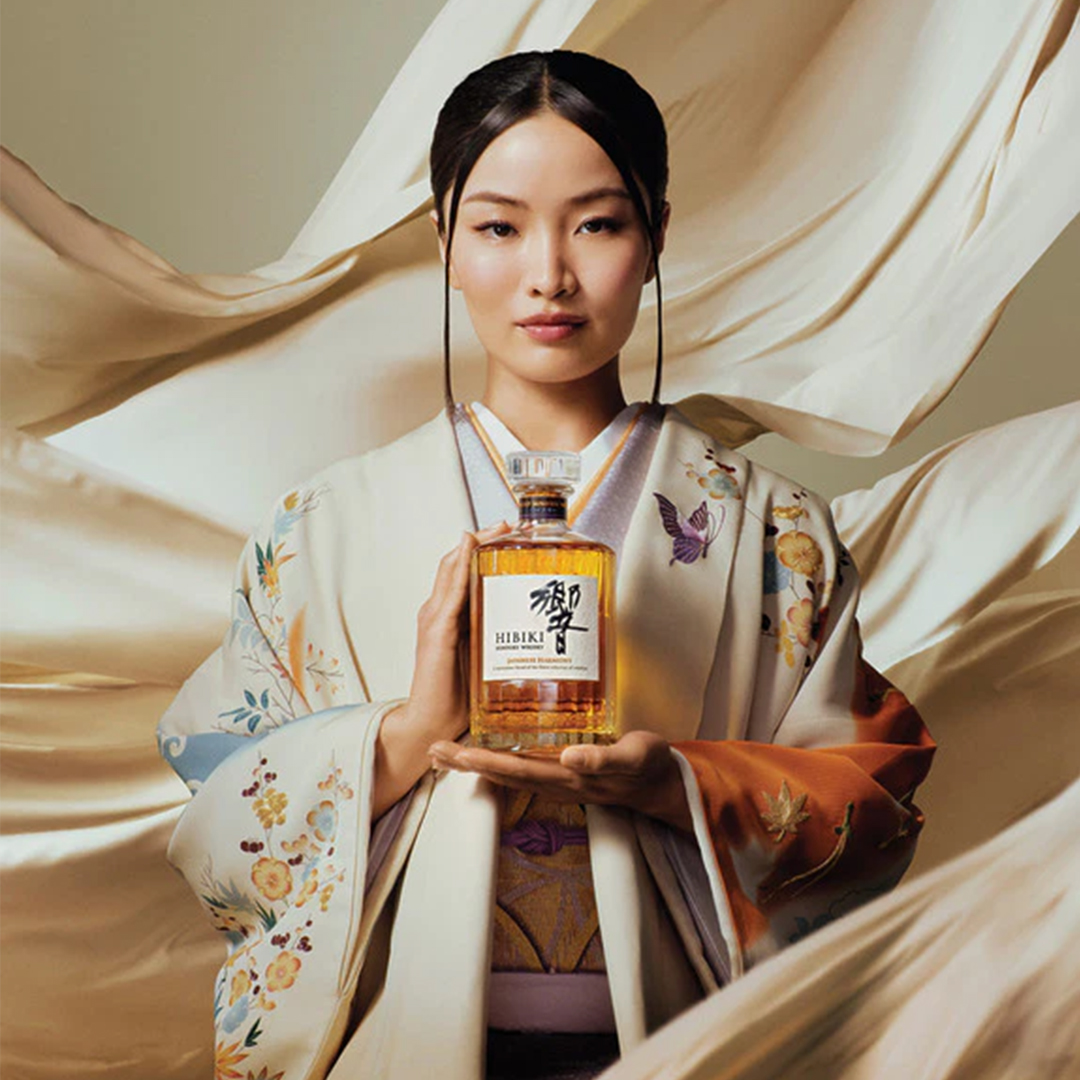
The partnership officially came to life with The Masterpiece of Japanese Artistry. Rather than building the campaign around Sawai's celebrity status alone, Suntory used her as the entry point into a much broader story about Japanese craft.
At the centre of the campaign is a cinematic hero film that draws a direct parallel between whisky blending and kimono making. Both are presented as crafts that demand an extraordinary attention to detail. Sawai appears wearing a bespoke kimono created by Kyoto's historic Chiso kimono house, whose artisans have practised the art of Kyo-Yuzen dyeing for centuries.
The kimono itself carries much of the campaign's symbolism. Inspired by the landscapes and seasons of Japan, its design incorporates a purple butterfly motif that connects directly to Hibiki's signature kokimurasaki colour, seen on the neck of its bottles. In the film, a butterfly appears on Sawai's hand, creating a visual link between the natural world, Chiso's craftsmanship and Hibiki's own identity.
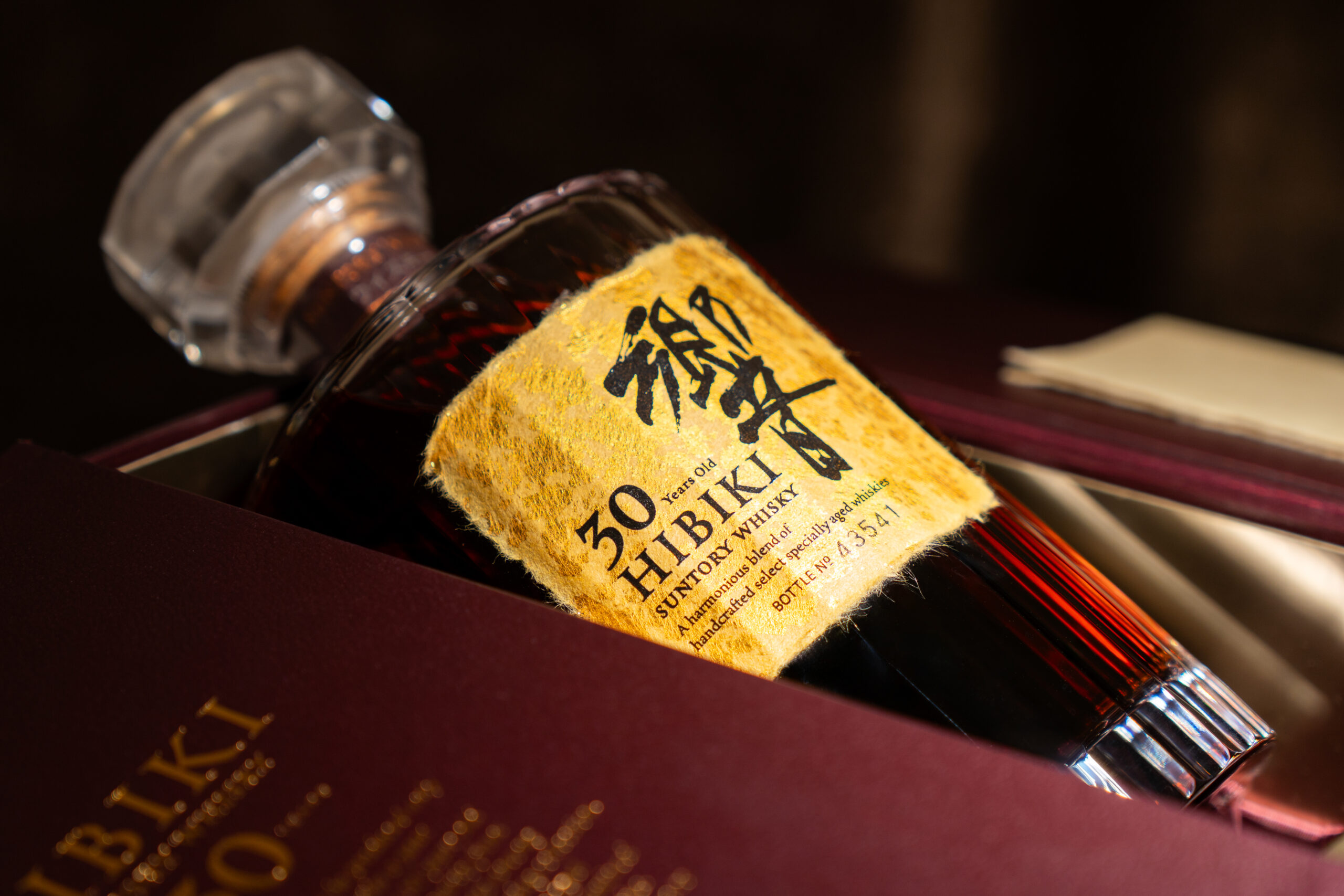
The campaign also takes audiences behind the finished products. Two additional films follow Sawai as she discovers the people and processes behind Hibiki's visual identity. One takes her to the Kyoto studio of washi artist Eriko Horiki, who has handcrafted Hibiki's distinctive washi labels since 1989. The other brings her inside the Chiso atelier to explore how the kimono is made.
For a brand that has built its identity around wa, or harmony, the campaign is an appropriately considered expression of the idea. Actress, blender, artisan, natural landscape and whisky are not treated as separate elements, but as parts of the same story.
And that may ultimately be what makes Anna Sawai such a natural ambassador for Hibiki. She is not simply being used to put a famous face beside the bottle. She represents the same meeting point that Hibiki has occupied for decades: Japanese in origin, but global in reach.
Published: September 10, 2026Author: Billy Craigan