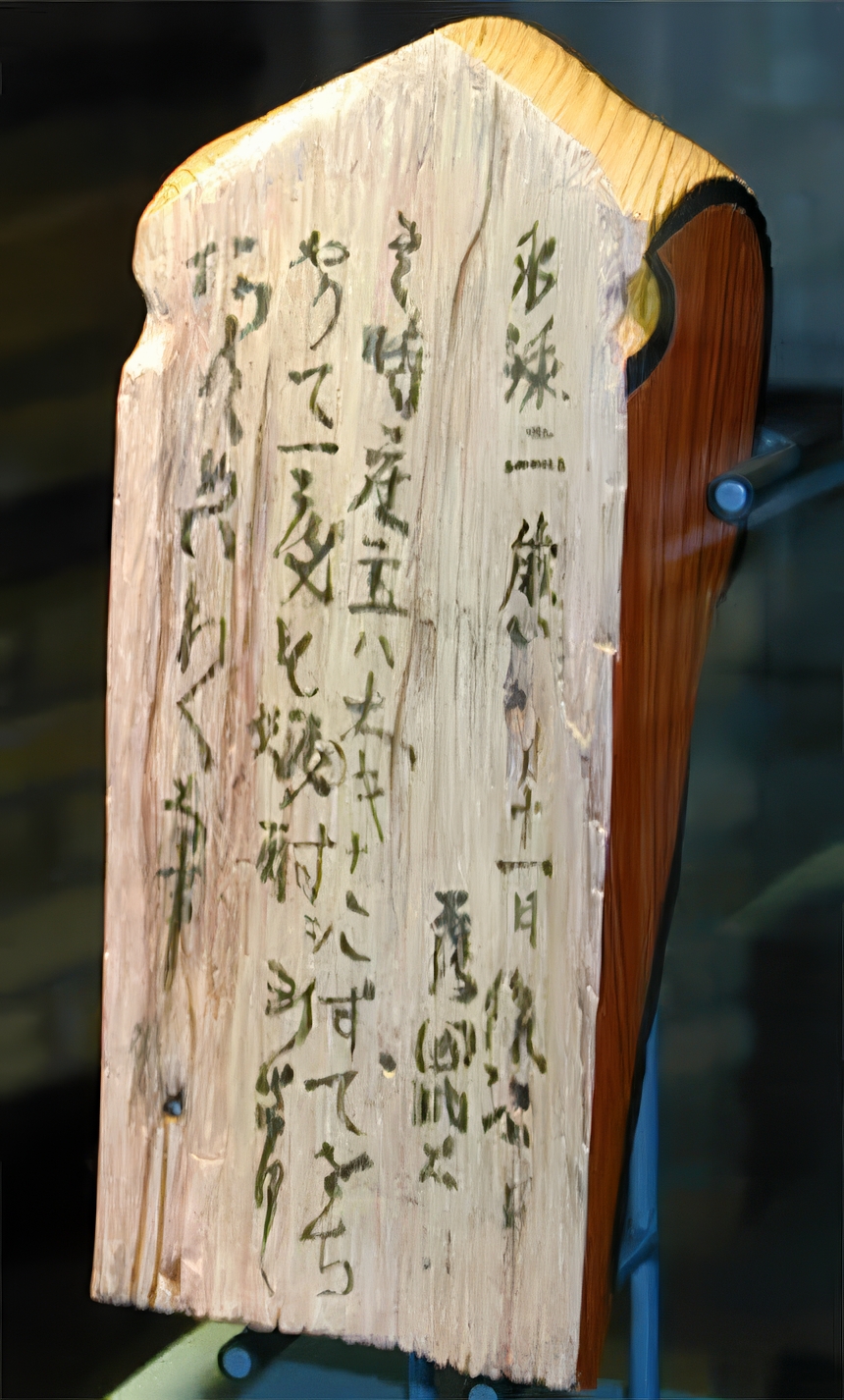
In 1559, two carpenters working at a shrine in southern Japan left behind a complaint that has survived for more than 450 years.
“The high priest was so stingy he never once gave us shōchū to drink. What a nuisance!”
Graffitied into rafters of the Koriyama Hachiman Shrine in Kagoshima Prefecture, the carved inscription is reckoned to be the oldest written reference to shōchū and a relatably human glimpse into a centuries old drinking culture. Today, Kagoshima remains the heartland of Japan's sweet potato shōchū industry. But the prefecture has a new story to tell, one about a generation of whisky distilleries putting their own mark on the world of spirits.
Often overshadowed internationally by sake and whisky, shōchū is one of Japan's great traditional spirits. Unlike sake, which is brewed, shōchū is distilled. It can be made from a variety of ingredients, including rice, barley and sweet potatoes, with each offering a distinctive character. A key part of its production is kōji, a type of mould used to break down starches into fermentable sugars, a process that's also used in sake brewing.
In Kagoshima, sweet potato shōchū, known as imo shōchū, is particularly important. The region's warm climate and agricultural conditions proved well suited to growing sweet potatoes, which became a staple crop after arriving in southern Japan in the early eighteenth century. Over time, local producers developed a distinctive shōchū style synonymous with Kagoshima, eventually becoming so important the region holds an annual General Election to vote for its best. Inviting the public to participate in a blind tasting of roughly 100 local spirits. For just ¥500, visitors can (if they’ve the stomach for it), sample the entire lineup before casting their vote.

That distilling heritage provides an interesting backdrop to Kagoshima's growing whisky scene. The skills involved in producing shōchū do not translate directly into whisky-making, but the experience of working with fermentation, distillation and raw ingredients carries with it the same core principle.
Among the producers exploring this new chapter is Nishi Shuzo, a family-run company founded in 1845. As recently as 2026, the company won "Best of the Best" for its Shōchū Kiccho Hozan (吉兆宝山) in the shōchū category at the Tokyo Whisky & Spirits Competition 2026. Demonstrating how serious its product is.
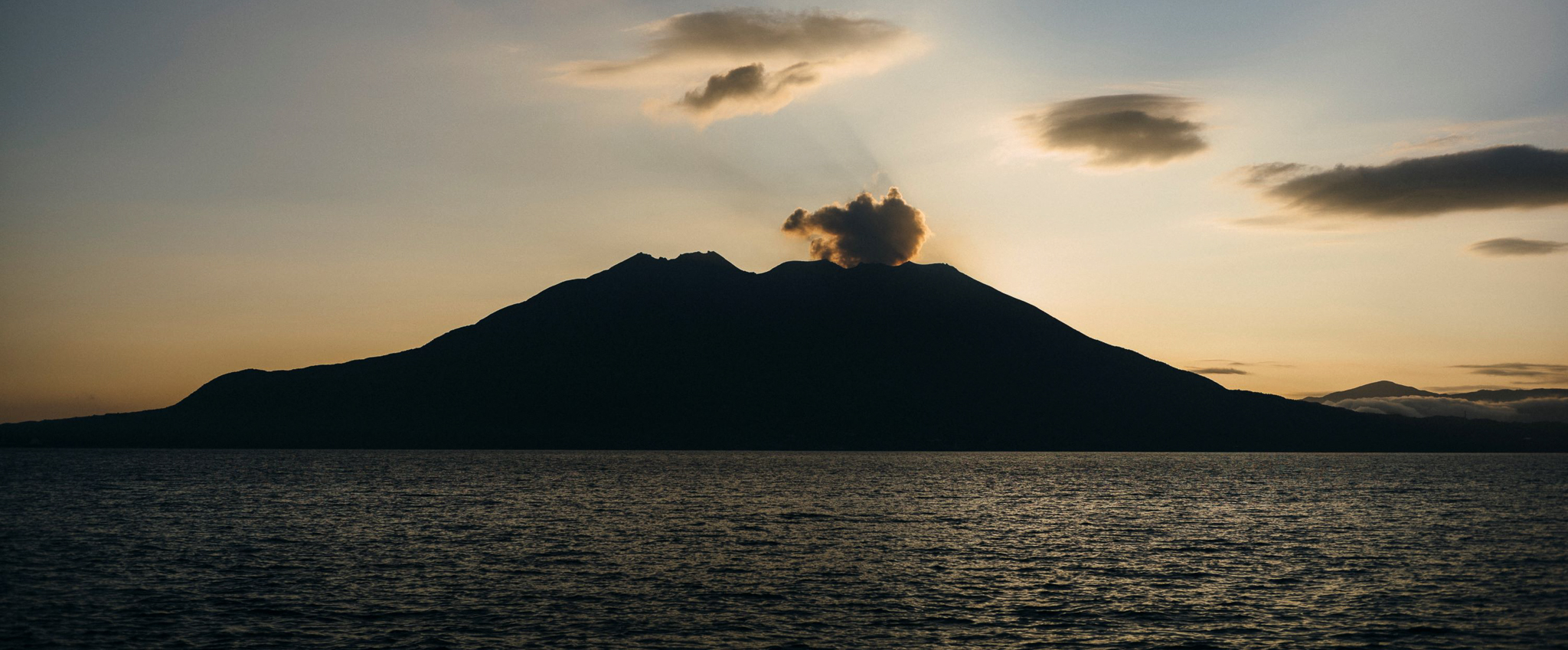
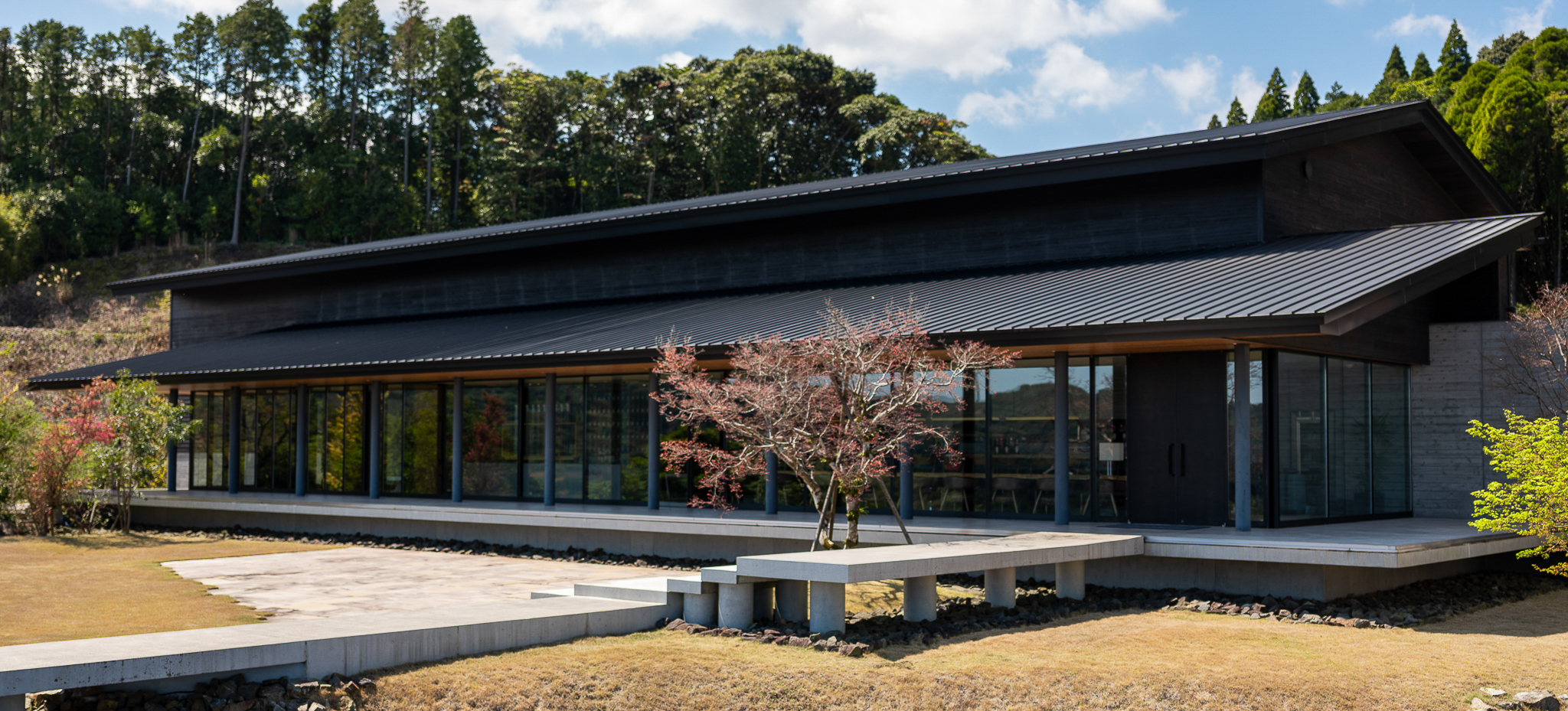
Located around 400 metres above sea level on the Satsuma Peninsula, the Ontake distillery overlooks Kinko Bay and Sakurajima, the volcano that defines the Kagoshima landscape and whose volcanic eruptions provide the fertile ground to grow such good sweet potatoes.
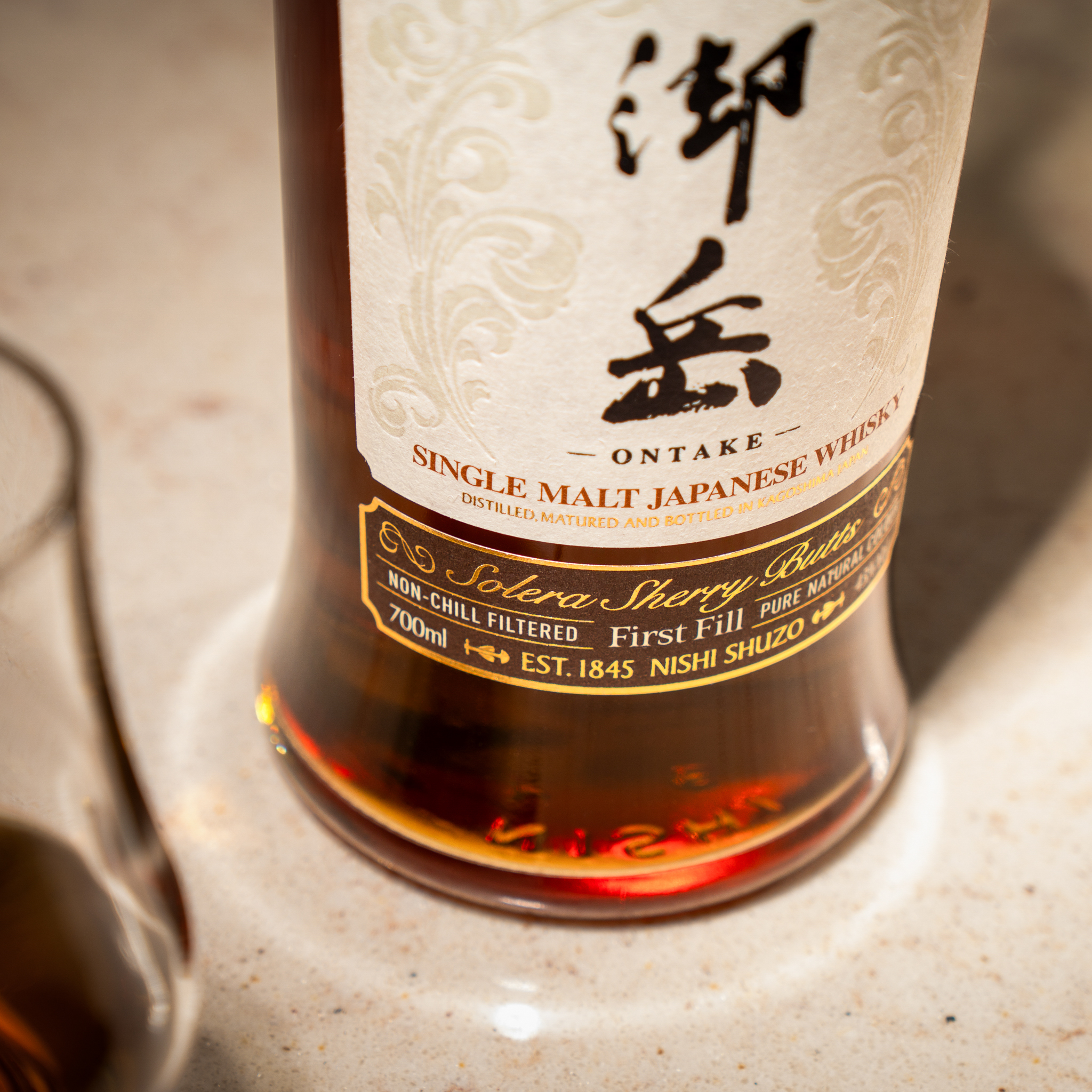
The Ontake distillery brings together Nishi Shuzo's experience in spirits production with a distinct approach to single malt whisky. It uses selected two-row barley, its own cultivated yeast and naturally filtered soft water drawn from the surrounding landscape. Cask selection is also central to its approach, with real ex Solera system sherry casks playing an important role in shaping the whisky's character.
For Kagoshima, whisky represents an extension of an established distilling culture. Alongside Kanosuke and Mars Tsunuki, Ontake forms part of the region's emerging whisky triangle, bringing renewed attention to a part of Japan whose spirits heritage stretches back centuries.
The carpenters who complained about their stingy priest could hardly have imagined the range of spirits Kagoshima would one day produce. But their inscription offers a reminder that the region's relationship with distilling is nothing new. The ingredients and techniques may evolve, but the pursuit of creating an excellent drink remains the same.
Published: October 29, 2026Author: Billy Craigan