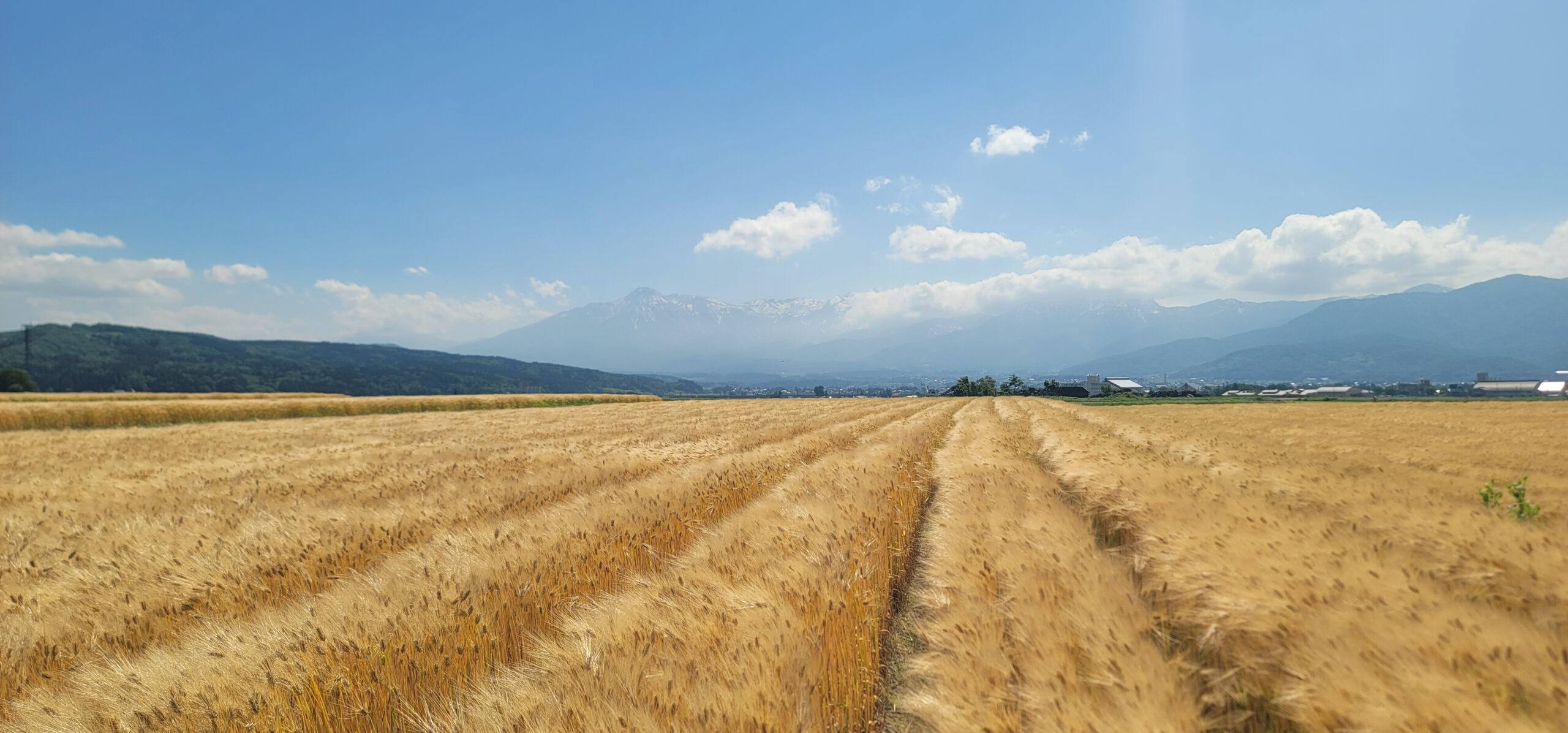
We talk about the shape of the still, the character of the cask, the quality of the water and the passing of time itself. Increasingly, distilleries also talk about fermentation and yeast strains. These are the places where whisky is traditionally thought to acquire its character. Yet the story begins much earlier, in a field.
Barley is the foundation of every single malt whisky ever produced. It provides the sugars that become alcohol, but it also contributes the compounds that fermentation transforms into many of the flavours and aromas found in the finished spirit. Nonetheless, it’s rarely part of the conversation when it comes to where whisky flavour is derived.
Wine offers an interesting comparison. For centuries, wine has treated agriculture as inseparable from flavour. Grape variety, soil, climate and topography are considered fundamental to understanding the finished wine. Entire appellation systems have been built around the belief that wine is defined by place.
Whisky distilleries have long worked closely with maltsters, selecting barley varieties for their reliability, malting performance and the character they contribute during fermentation and distillation. As Naoki Tsukugata from Gakkogawa Distillery points out, different maltsters produce noticeably different flavour profiles.
What tends to receive far less attention is the agricultural story behind that barley. Questions of where it was grown, how it was farmed, and whether those factors influence the resulting spirit have rarely occupied the same place in whisky's imagination as water sources, stills and casks.
However, that conversation is beginning to change.

One of the most influential voices behind this shift has been Mark Reynier. Through his work at Waterford Distillery, Reynier argued that whisky makers should pay closer attention to barley and recognise it as the foundational contributor to whisky flavour.
By producing whiskies from individual farms and documenting their sensory characteristics, the project sought to determine whether differences in barley origin could be identified in the resulting spirit.
The project was unfortunately cut short by the pressures of the Covid pandemic. But the desire to better understand barley did not end there. Curiously, a similar story has been unfolding in Japan.
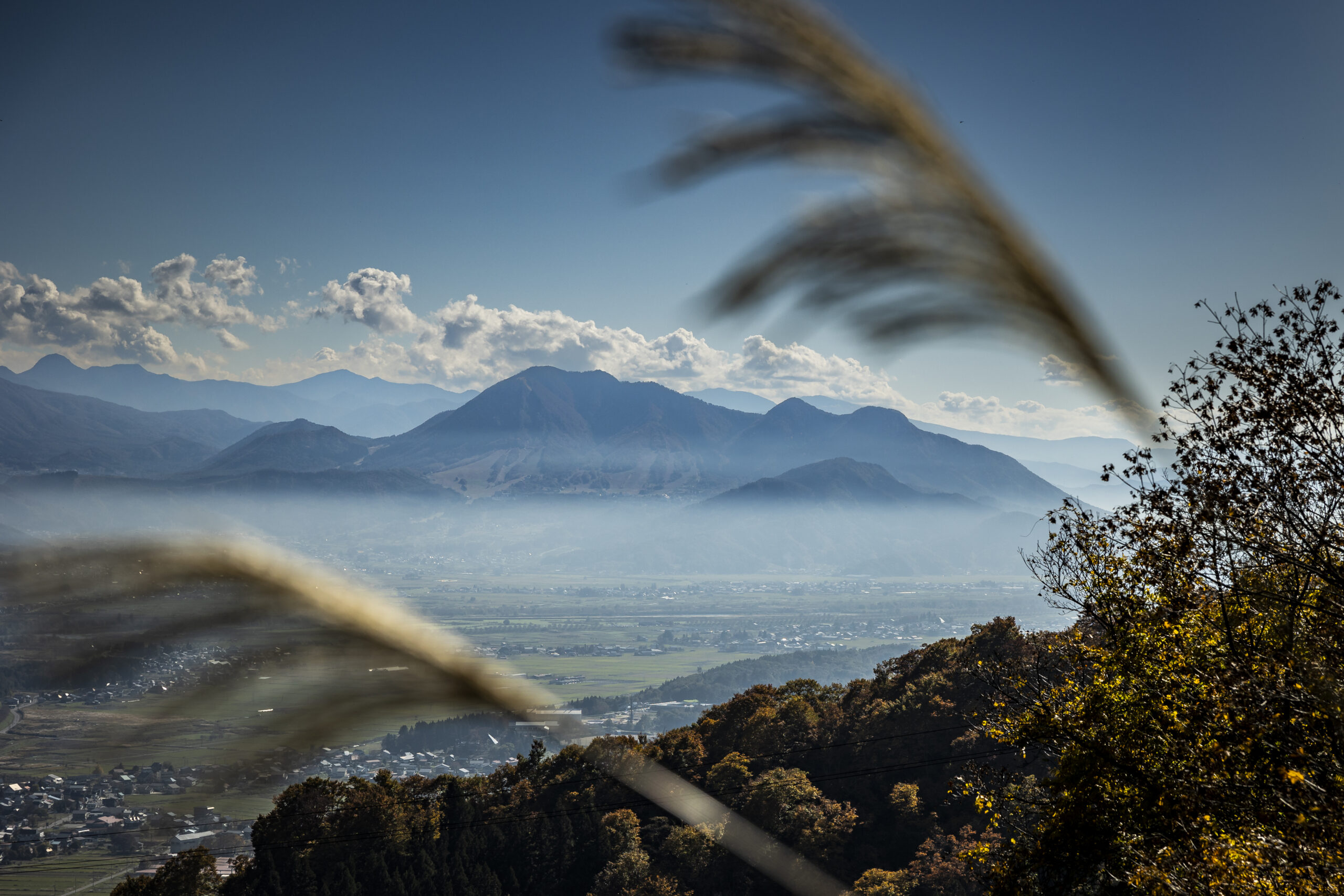
If whisky is beginning to look back towards the field, Japan offers an interesting, albeit challenging, place to do so.
Japanese whisky has become synonymous with precision, provenance and a deep respect for raw ingredients. Distilleries often speak at length about local climate, fermentation techniques and oak variety. “Pure Japanese water,” in particular, has taken on an almost mythical status. Yet the barley itself is almost always imported.
This is not unique to Japan, Scotch whisky has never required Scottish-grown barley either. Distilleries across the world routinely source grain internationally, selecting varieties and maltsters according to quality, consistency and the flavour profile they look for.
And at the end of the day, growing barley in Japan is difficult.
Unlike the cool, relatively dry conditions found across many traditional barley-growing regions, much of Japan presents farmers with a far more demanding environment. Hot, humid summers increase disease pressure, while heavy rainfall can arrive during critical stages of growth and harvest. In some parts of the country, typhoons introduce other massive problems.
Land availability presents another constraint, only around 12% of Japan's land is suitable for agriculture, much of it divided into relatively small plots by the country's mountainous terrain. Unlike in Scotland, where 65% to 80% is suitable, broad expanses of which have long supported cereal production.
Above all, there is rice. For centuries, rice has occupied a central place in Japanese agriculture, economy and culture. It shaped taxation during the feudal period, dictated the development of irrigation systems and remains the country's dominant crop today. Field availability, farming knowledge and agricultural policy have naturally developed around it.
Barley has therefore followed a different path. Yet it would be a mistake to conclude that Japan lacks expertise in growing it.
When Shinjiro Torii and Masataka Taketsuru founded Yamazaki Distillery in 1923, the distillery grew its own barley on-site. As production expanded, however, this approach became impractical, and imported barley was adopted to meet growing demand.
At the same time, Japan continued to build deep expertise in barley cultivation through its brewing industry. Working alongside agricultural institutes, breweries developed domestic malting barley cultivars capable of thriving under Japan's challenging climate while meeting the exacting standards required for brewing.
Today, that expertise is beginning to return to whisky. A new generation of craft distillers is experimenting with domestically grown distilling barley, exploring how different regions, varieties and farming practices can shape the character of their spirit.
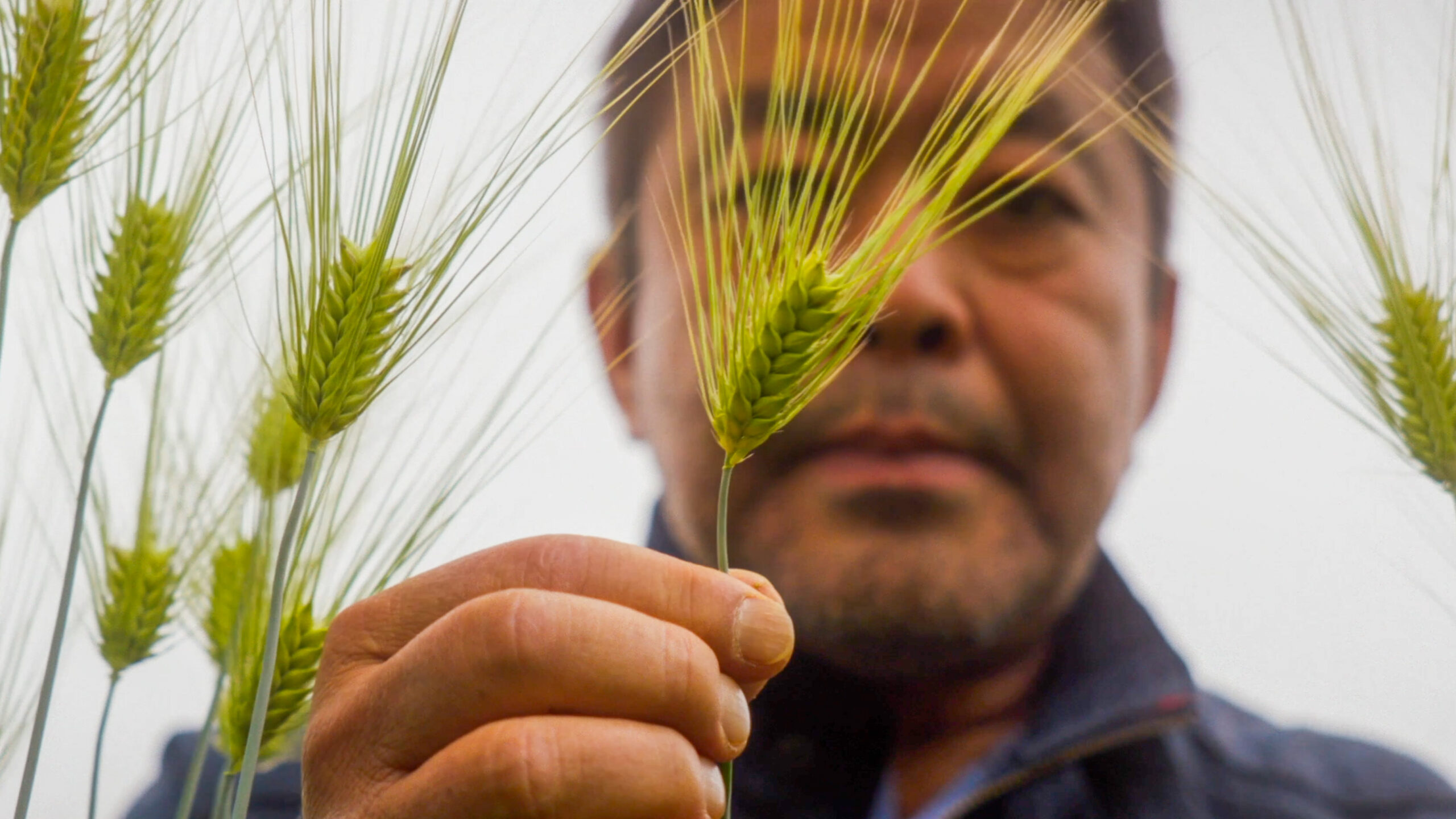
No distillery in Japan has embraced domestic barley more fully than Kiyokawa.
Established as Japan's first farm to bottle distillery, Kiyokawa's approach begins with the belief that whisky should first be understood as an agricultural product. Rather than simply sourcing barley, the distillery has spent years working alongside the Institute of Agriculture to develop a barley cultivar capable of thriving in the extreme weather conditions of Iiyama, where heavy winter snowfall gives way to piping-hot summers.
The project extends far beyond growing grain, it is an attempt to better understand the relationship between agriculture and whisky itself. How does a barley variety respond to a particular climate? How do farming decisions influence fermentation? To what extent can the place where barley is grown contribute to the character of the resulting spirit?
These are ambitious questions, and founder David Troiano is careful not to overstate the answers.
"Our objective is not merely to cultivate barley, but to understand it," he explains.
This is still a project in its early stages, and reaching a point where the farm can consistently produce enough high-quality barley to sustain the distillery has been a considerable challenge. Even so, the progress is clear. With each passing year, the fields look fuller, greener and more consistent. In 2026, Kiyokawa released two bottlings under its The Cask label. The inaugural release was matured in an ex-Pedro Ximénez cask, while the second, created in collaboration with dekantā, was matured in an ex-Marsala cask — the first Japanese whisky to do so, and a tribute to founder David Troiano's Italian heritage.
Further north at Gakkogawa Distillery, experiments with Japanese-grown barley from Hokkaido have already begun to reveal both the opportunities and limitations of domestic grain.
According to the distillery, Japanese barley generally produces lower sugar extraction and lower alcohol yield than imported malt. Greater variation in grain size and husk hardness has also made milling more difficult, while filtration during mashing has proven less efficient, increasing production time.
Yet these challenges have been accompanied by distinctive sensory characteristics. Trial batches produced from Japanese-grown barley have displayed unique aromas, pronounced grain sweetness, and a fuller mouthfeel compared with imported malt. Characteristics which, to me personally, sound quite appealing.
“When it comes to Japanese-grown barley, Japan’s four distinct seasons and significant temperature variations likely influence the grain.”
Importantly, Gakkogawa does not view domestic barley as a replacement for imported grain.
The distillery praises the consistency and quality of imported malt, while treating Japanese barley as an opportunity to explore new dimensions of flavour. Long term, its ambition extends even further: to one day produce whisky using barley grown locally within their home of Yamagata Prefecture.
Chichibu has taken yet another approach. Ichiro Akuto has long sought to increase the use of Japanese-grown barley, initially encouraging local farmers to cultivate the British variety Optic before later switching to Japanese cultivars better suited to Saitama's climate. Following the opening of Chichibu II, the original distillery shifted its focus towards domestic barley, which accounted for around 70% of production during the 2021–22 season. Even so, Akuto has been clear that imported barley will continue to play an important role. For Chichibu, the objective has never been complete replacement, but the gradual integration of domestic grain wherever it makes practical and economic sense.
These approaches differ in method, but share a common characteristic: they are incremental. Progress is measured over growing seasons rather than production cycles.
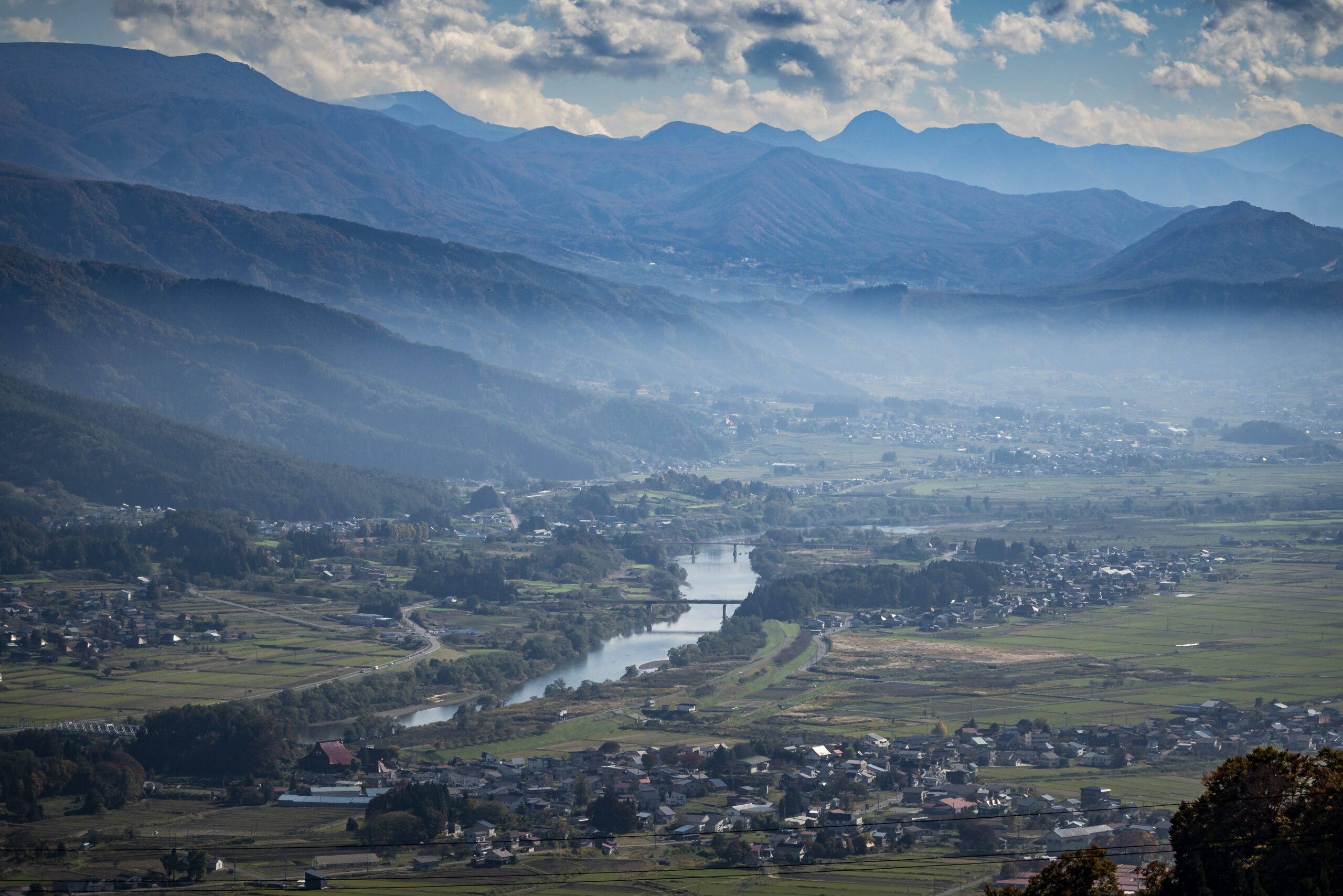
It is difficult to imagine domestic barley ever replacing imported malt in Japanese whisky.
Imported barley remains more consistent, more readily available and better suited to the scale at which much of the industry operates. For many distilleries, it will always form the backbone of production.
But replacement was never really the point.
Over the past decade, Japan has seen more than one hundred new whisky distilleries established. In an increasingly crowded market, simply making good whisky is unlikely to be enough. Distilleries are searching for ways to define themselves.
Gakkogawa believes this is one of the reasons Japanese-grown barley has begun attracting greater attention.
"One major factor is undoubtedly the whisky boom in Japan. As the number of distilleries has increased, each has sought to create its own unique style and character. As a result, more distilleries have started exploring the use of Japanese-grown barley."
That search for identity takes different forms. For some, domestic barley is an opportunity to better understand the relationship between how and where it was grown and the flavour it imparts. For others, it may be about expressing a particular regional style or reducing reliance on imported supply chains. Whatever the motivation, the grain is beginning to occupy a more prominent place in the conversation than it has for much of whisky's modern history.
Whether domestic barley ultimately proves capable of expressing place as clearly as wine grapes remains an open question. But perhaps that is beside the point. By turning their attention back to the field, these distilleries are expanding the way whisky is understood. The story of a whisky no longer begins with the mash tun or the still. It begins months earlier, in the choices made by farmers, maltsters and distillers working together.
Published: July 27, 2026Author: Billy Craigan