A distillery’s location is fundamental to the unique character of the spirit it produces. Whether that means cooler, steadier climates that favour slow maturation, warmer conditions with greater temperature fluctuations that encourage richer flavours to develop faster, or coastal and woodland settings where the character of the air itself can influence a whisky's flavour profile.
Mars whisky however, has deliberately chosen not to bind itself to one particular environment.
The company operates two distilleries at opposite ends of Japan: Mars Komagatake in the mountains of Nagano and Mars Tsunuki in the warmer, wetter climate of Kagoshima. Separated by hundreds of kilometres and radically different environments, they produce spirits with distinctly different characters. Between them lies another experiment altogether: whisky matured on the subtropical island of Yakushima.
Together, these locations tell the story of Mars Whisky. A company that has spent decades exploring what happens when you make whisky in different places.
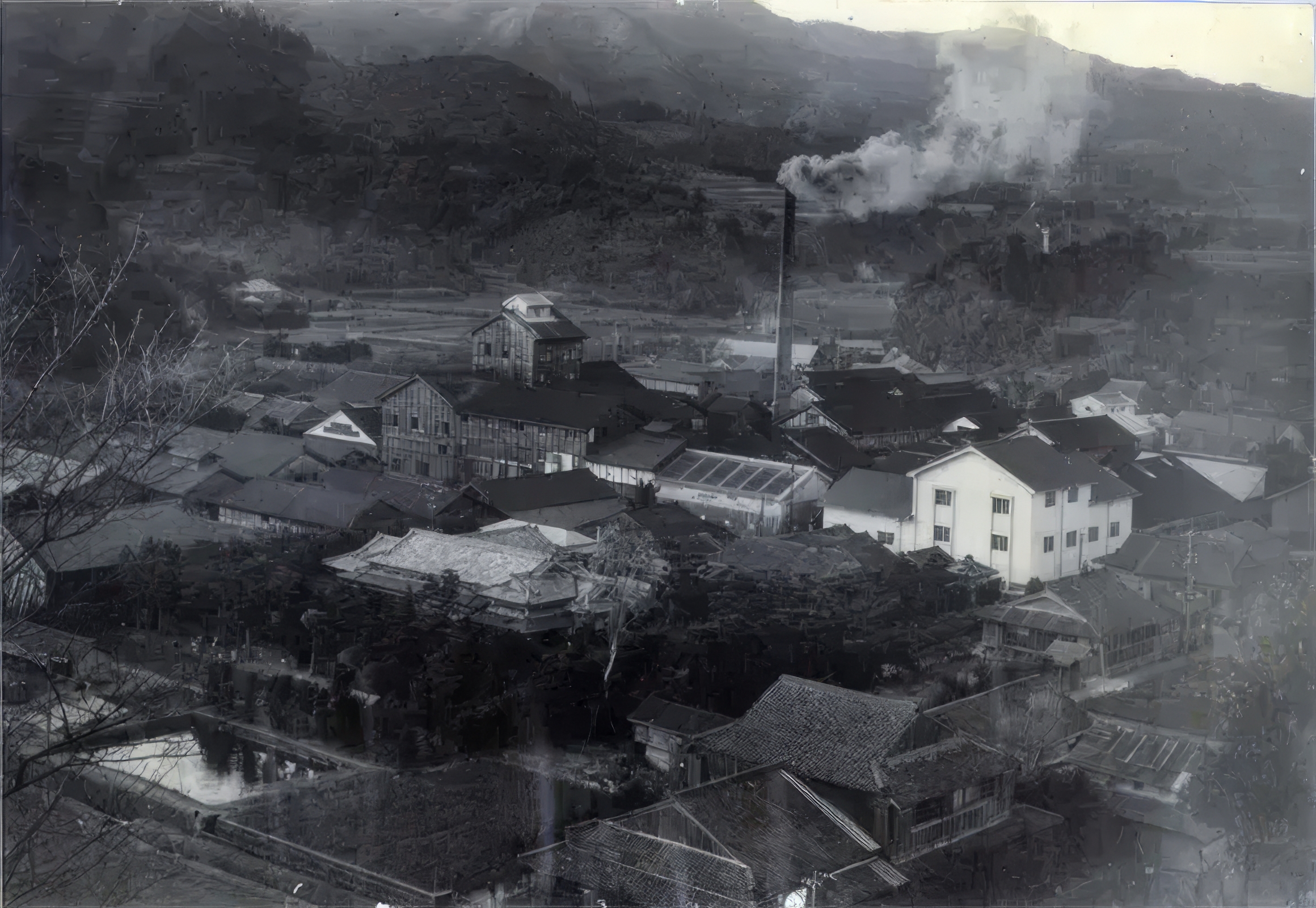
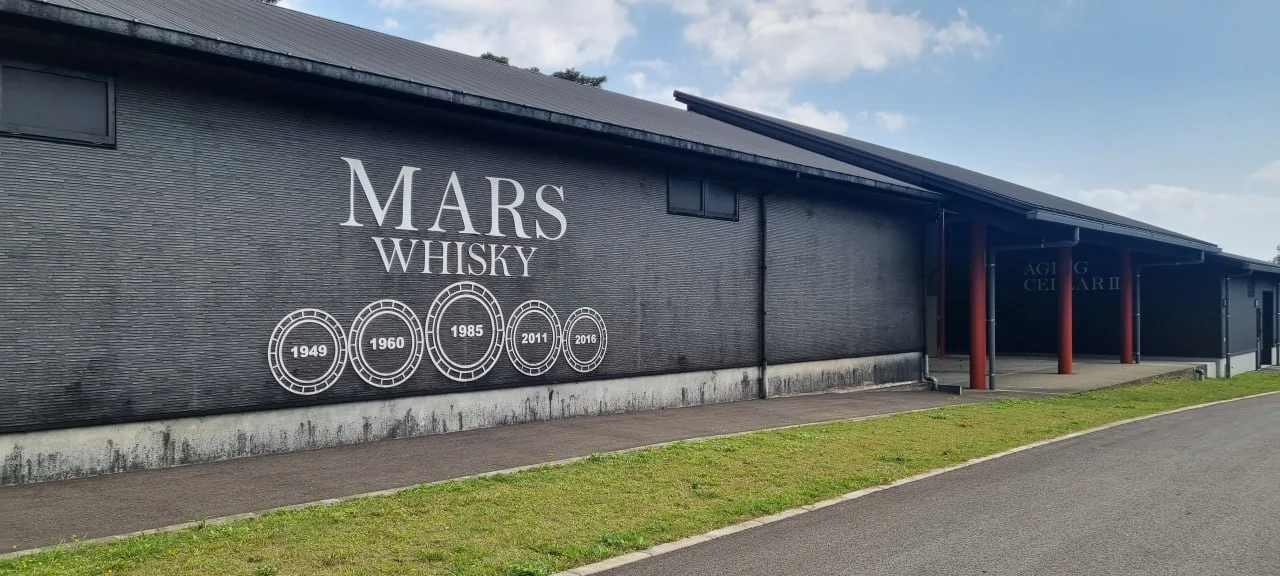
The story starts in Kagoshima in 1909, when the Hombo family secured a licence to produce shochu, laying the foundations for a spirits business that would later expand into wine, sake and other beverages. In the post-war years, Hombo Shuzo turned its attention to whisky, establishing the Mars brand and initially producing blends based largely on imported spirits.
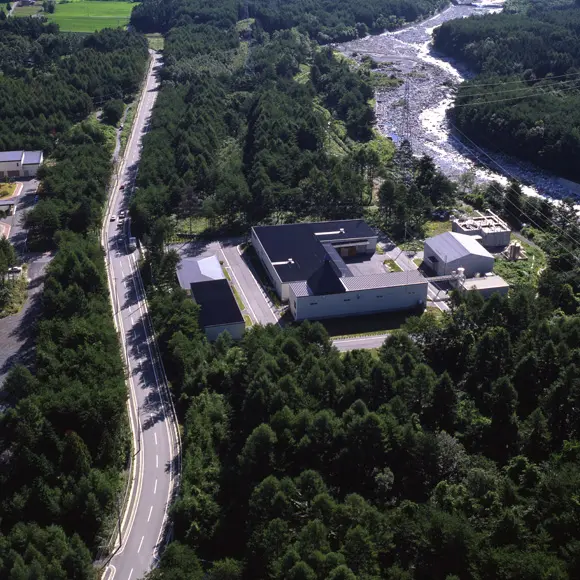
In 1985, Hombo Shuzo took its whisky-making ambitions to the mountains of Nagano, establishing the Mars Shinshu Distillery at the foot of Mount Komagatake. The move was deliberate. Seeking cooler temperatures, clean mountain air and abundant spring water, the company found an environment quite unlike its home in southern Kagoshima. At almost 800 metres above sea level, Shinshu offered the conditions for a style of whisky that was shaped by the slow pace of maturation in the Japanese Alps.
Over the years, the distillery's whisky makers discovered that there was plenty of room to experiment and explored different malts, fermentation methods, yeasts and cask types, gradually building a library of spirits rather than pursuing a single fixed style.
One of the people who would eventually take that approach further was Tatsuro Kusano. After joining Hombo Shuzo in 2013, Kusano spent three years at Mars Shinshu learning under master distiller Koki Takehira. Then, in 2016, aged just 27, he was sent south to oversee the construction of a new distillery.
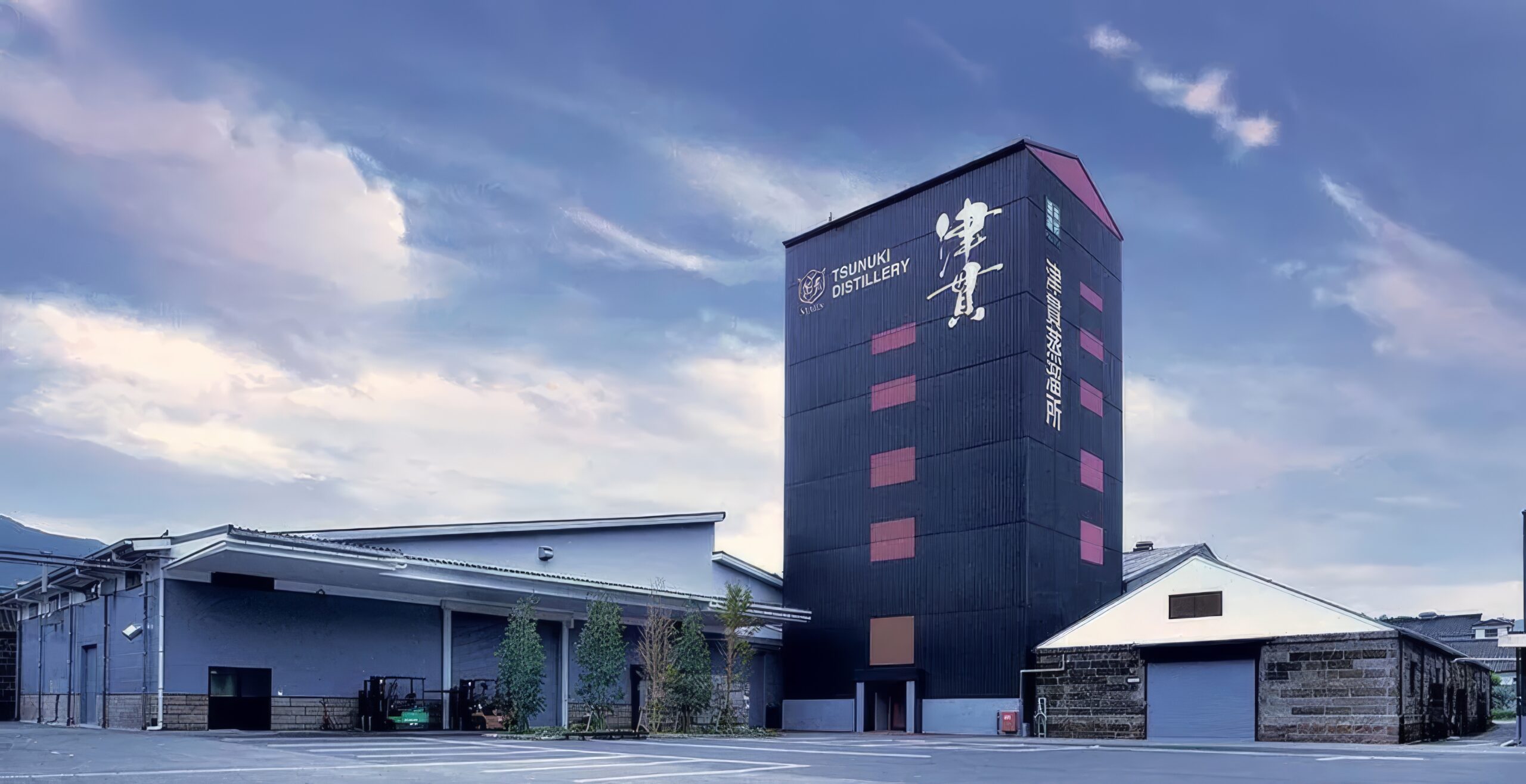
Tsunuki is a small area of Kagoshima where the Hombo family business began. When Hombo Shuzo announced plans for a new whisky distillery there in 2015, it was not simply looking for additional production capacity. It was looking for an entirely different style of whisky.
Mars Tsunuki Distillery began production in 2016, bringing whisky-making back to Kagoshima after more than three decades. At just 57 metres above sea level, the distillery experiences considerably higher temperatures and humidity than Komagatake. Summers can reach 36°C, while annual rainfall is around 2,300mm.
That warmth has consequences for maturation. The whisky interacts with its casks more rapidly and the angels’ share can reach around 6–7% per barrel, compared with roughly 3% at Komagatake. This means a rich, vibrant whisky emerges from the barrel after just a few years. It also means the warehouse team needs to keep a closer eye on the maturing liquid, due to the volatile nature of the process.
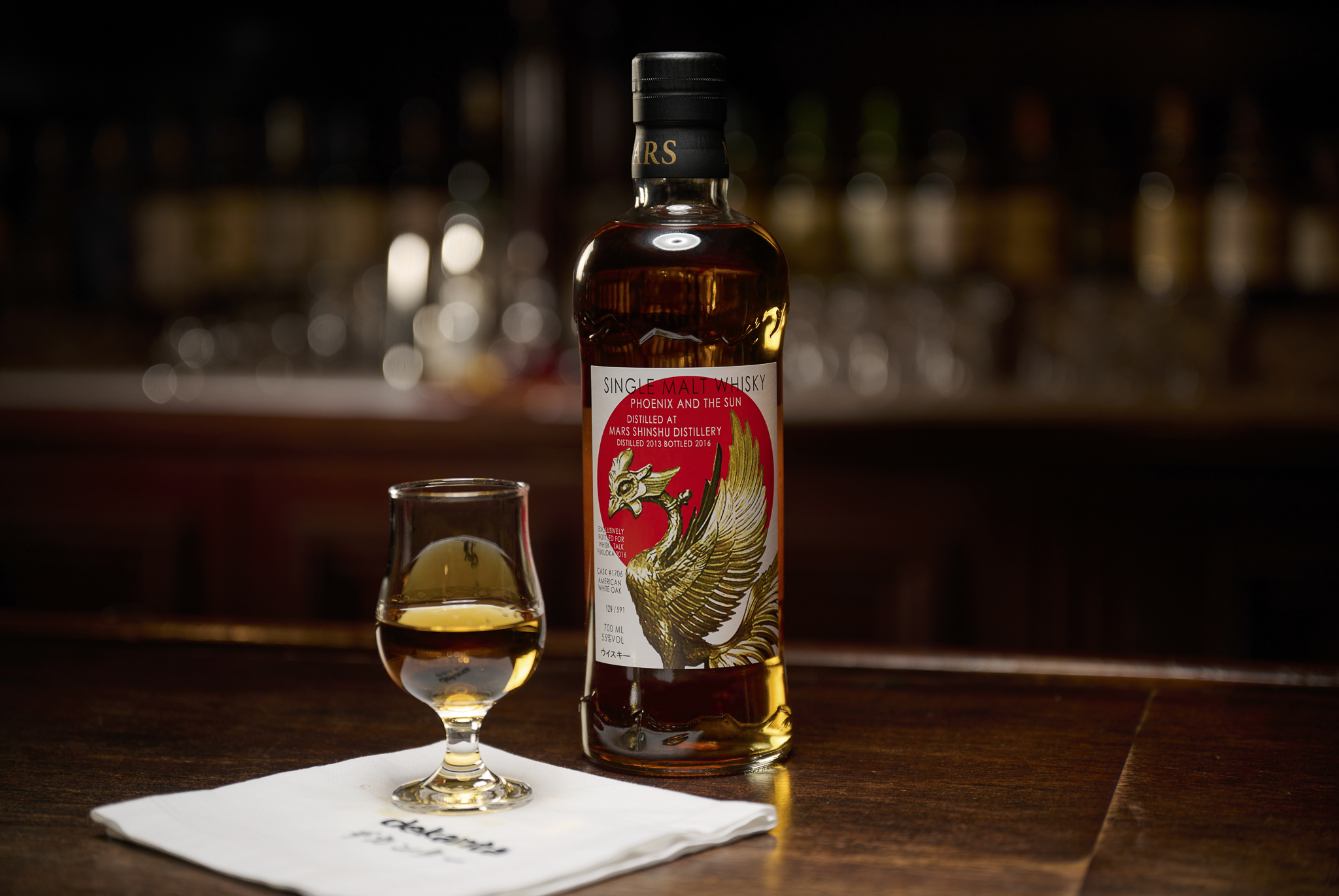
Tsunuki's ambition is to create a robust, characterful whisky that reflects the spirit of Kagoshima. Experimentation has been central to that goal from the beginning, with the distillery exploring how malt, fermentation and distillation can be adjusted to bring out different qualities.
Tatsuro Kusano, who spent three years learning the craft at Komagatake, became the driving force behind the new distillery. During Tsunuki's first production season, the team worked with four levels of peat, ranging from unpeated malt to heavily peated malt at 50 ppm. Later, the approach was simplified, with a greater focus on unpeated and heavily peated spirit, which could be blended before maturation to create intermediate levels of peat.
Fermentation offered another avenue for experimentation. Alongside whisky distiller's yeast, Kusano explored combinations with beer and shochu yeasts, as well as a technique borrowed from shochu production where a portion of old wash is added to a fresh batch to encourage lactic fermentation and develop complexity. A little like maintaining a sourdough starter, where an old culture is continuously fed with fresh flour and water.
Tsunuki’s pair of Miyake pot stills feature descending lyne arms angled further downwards than those at Komagatake, helping retain heavier compounds to produce the robust spirit Kusano seeks.
Rather than following a fixed recipe, Tsunuki continues to adjust its methods, exploring the range of flavours its own environment and equipment can produce.
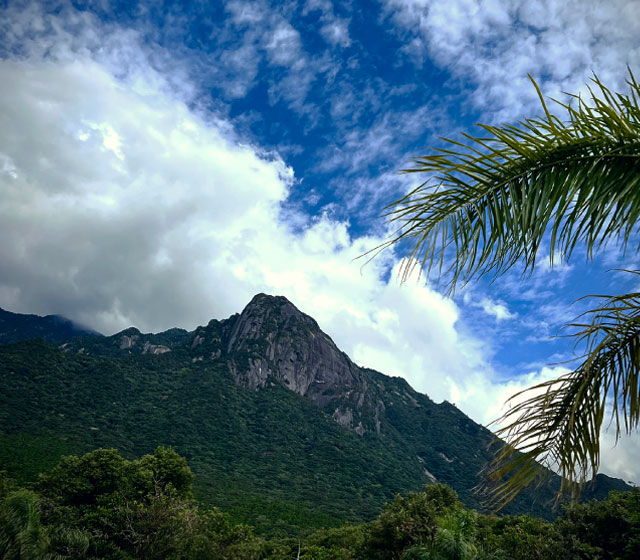
Yakushima is a mountainous island in Kagoshima Prefecture, around 60 kilometres south of Kyushu, famous for its ancient cedar forests, moss-covered landscapes and extraordinary rainfall. Designated a UNESCO World Natural Heritage Site in 1993, the island is home to Jōmon Sugi, a giant Japanese cedar whose age is estimated to be between 2,000 and 7,200 years and is considered Japan’s “oldest living being”.
Its forests inspired the seminal Studio Ghibli film Princess Mononoke, particularly the mossy woodland of Shiratani Unsuikyo Ravine, whose tangled roots, ancient trees and thick green vegetation evoke the film’s mythical forest. It’s also home to Mars’ third whisky facility, a maturation warehouse, where the experiments go even further.
Yakushima locals joke that it rains for 400 days a year. The island receives around 4,300mm of rain annually, and its warm, humid conditions create one of the most intense maturation environments in Japan. Mars began sending whisky there to mature in 2016, around 400 casks have been matured on the island.
The conditions are dramatically different from both of Mars' distilleries. Summer temperatures inside the warehouses can approach 38°C, humidity can reach 85%, and the angels’ share can climb to around 8%.
Mars initially believed that heavily peated whisky might be best suited to Yakushima's extreme environment, but experience suggested otherwise. Over time, the distillers found that unpeated or lightly peated spirit allowed the effects of the island's climate to come through more clearly.
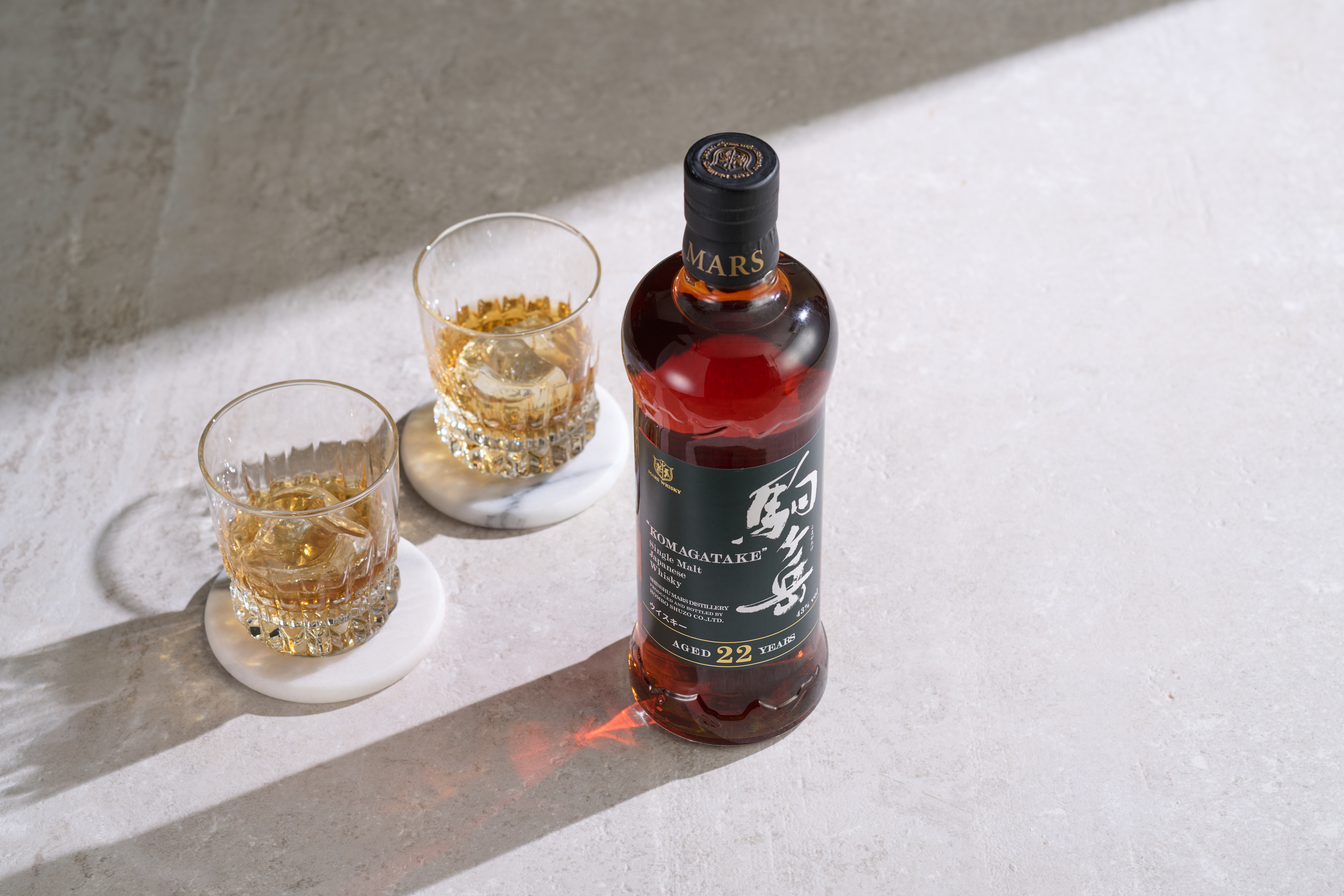
Mars Whisky is a multi-instrumentalist. With two distilleries producing distinct spirits, and three very different locations in which to mature them, Hombo Shuzo has an unusually broad palette to work with. From the cool mountain air of Komagatake to the warmth of Tsunuki and the subtropical extremes of Yakushima, each environment brings a different set of possibilities. Add to that a willingness to experiment with fermentation, peat, still design and cask selection, and Mars becomes less about pursuing a single house style and more about exploring the full range of what Japanese whisky can be.
The approach is already earning international recognition in 2025, Mars Single Malt Tsunuki 2024 Edition was named Best Japanese Single Malt at the World Whiskies Awards. For a distillery still in the early stages of its history, it is a promising sign that Mars' willingness to do things differently is paying off.
Published: October 14, 2026Author: Billy Craigan