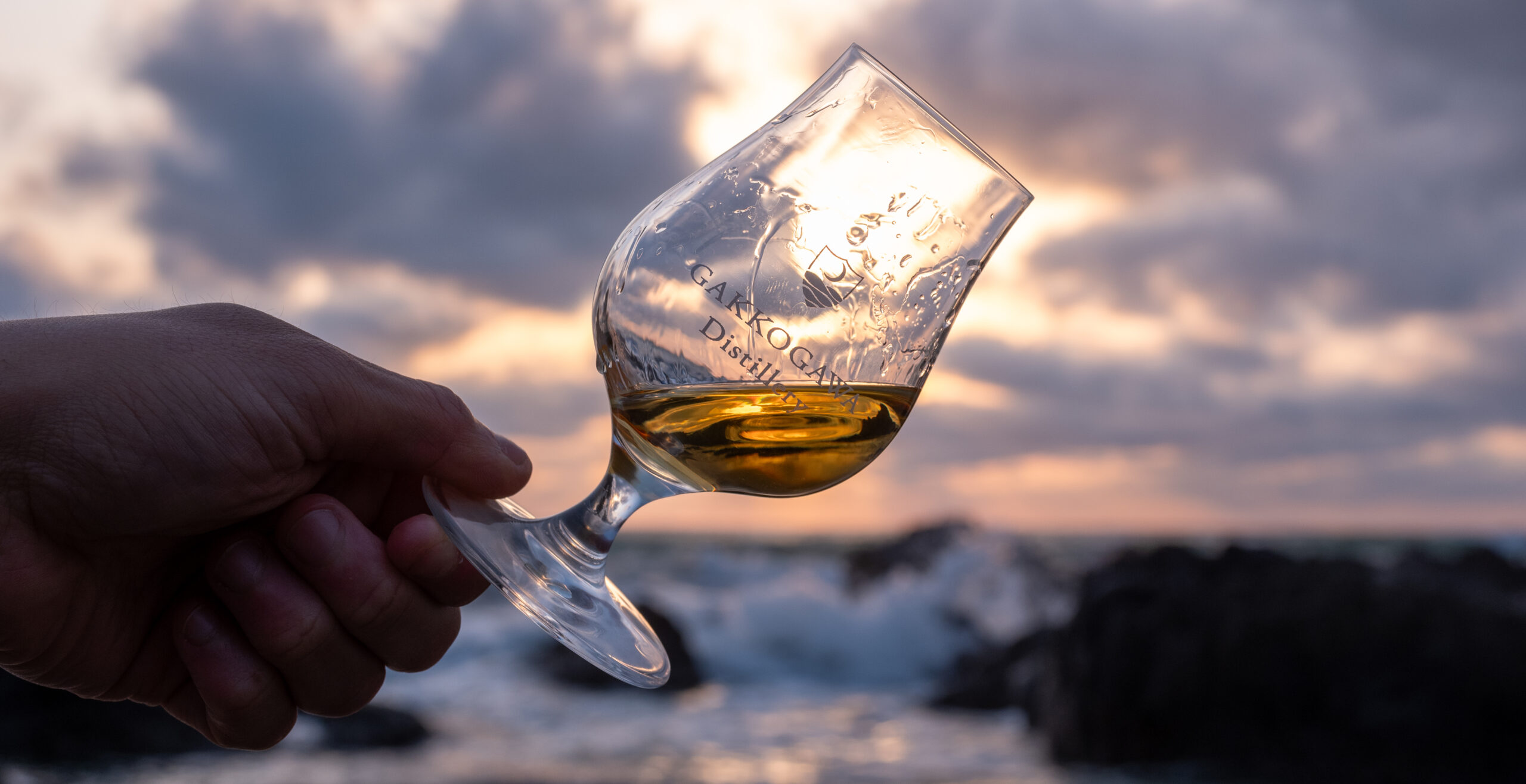
Across Japan, a growing number of distilleries are choosing to release whisky at the earliest possible moment. Three years, in many cases, has become less a milestone and more a starting point. These are not tentative introductions, but deliberate first statements, often presented as single casks or small batches.
Part of this is practical. The expansion of Japanese whisky over the past decade has created a new generation of producers who, unlike their predecessors, cannot rely on inherited stock or clout. For the new wave, both time and revenue are tight, alongside the competitive need to establish a name early.
Yet practicality alone does not fully explain the character of these early releases.
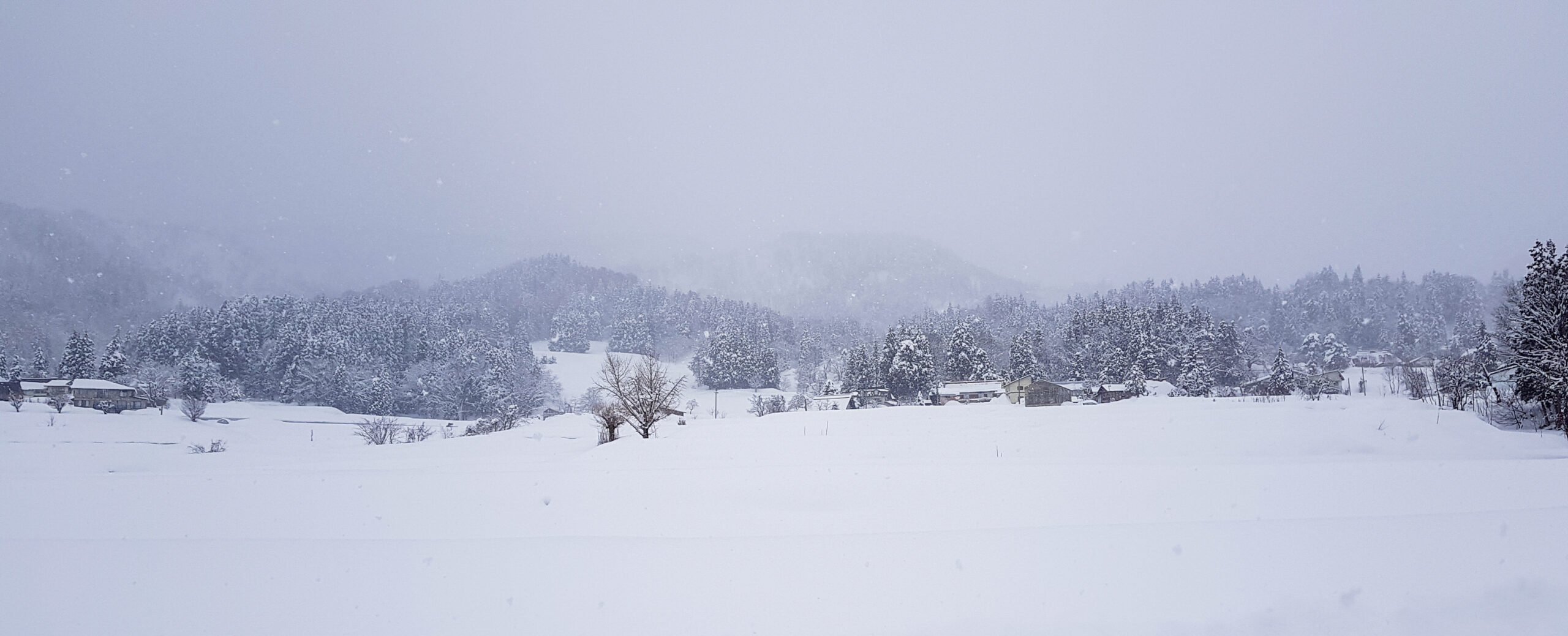
In regions where seasonal variation is pronounced, where summers are hot & humid and winters sharply cold, interaction between spirit and cask can move with intensity. Maturation, while never accelerated in any straightforward sense, can take on a different profile. Flavour, colour, aroma all develop quickly, but not always predictably.
Against this backdrop, Japan’s distilleries are increasingly focused on making their new make spirit as good as possible, establishing a baseline of quality before it even enters the cask. Each approaches this in its own way.
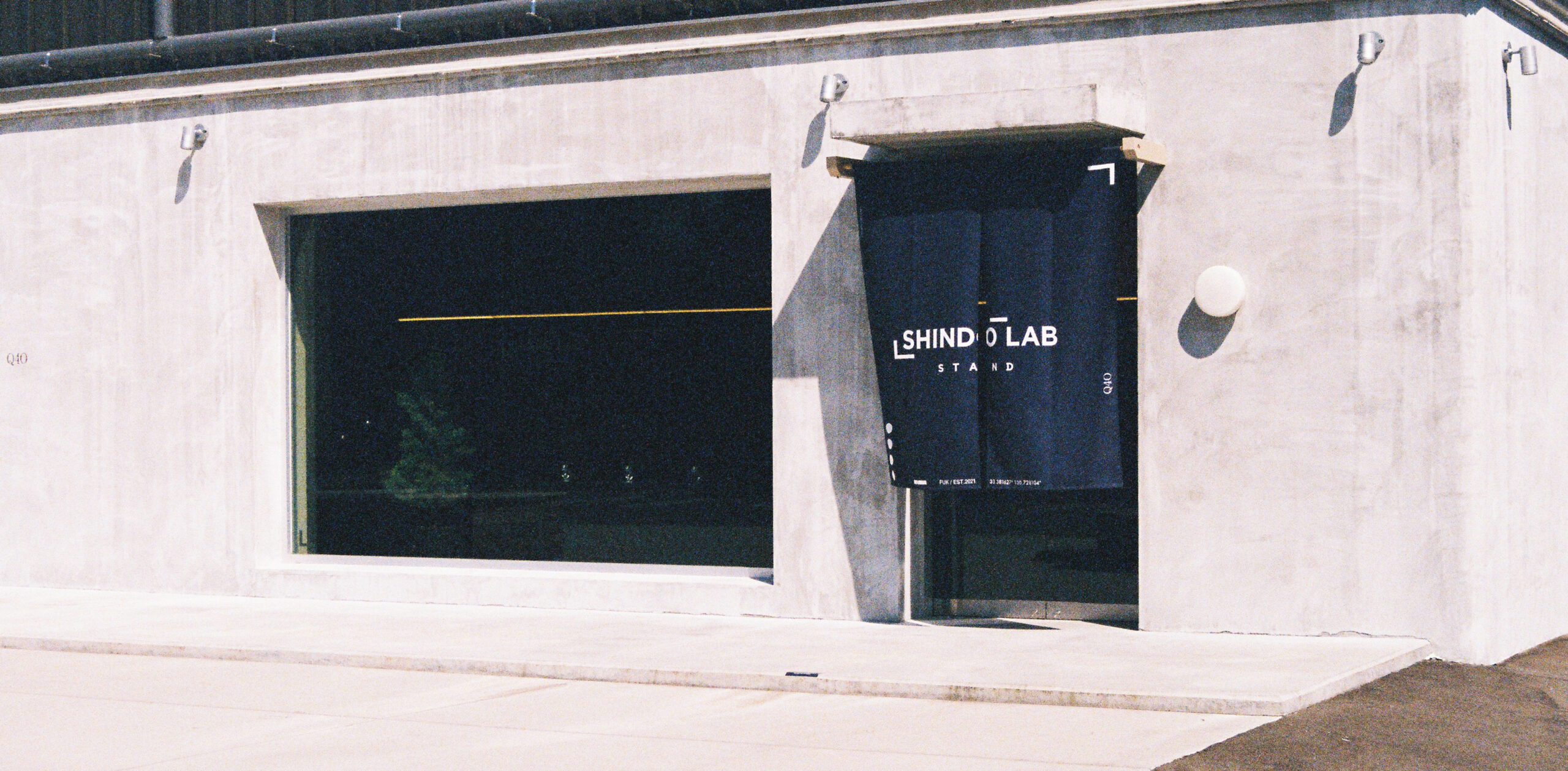
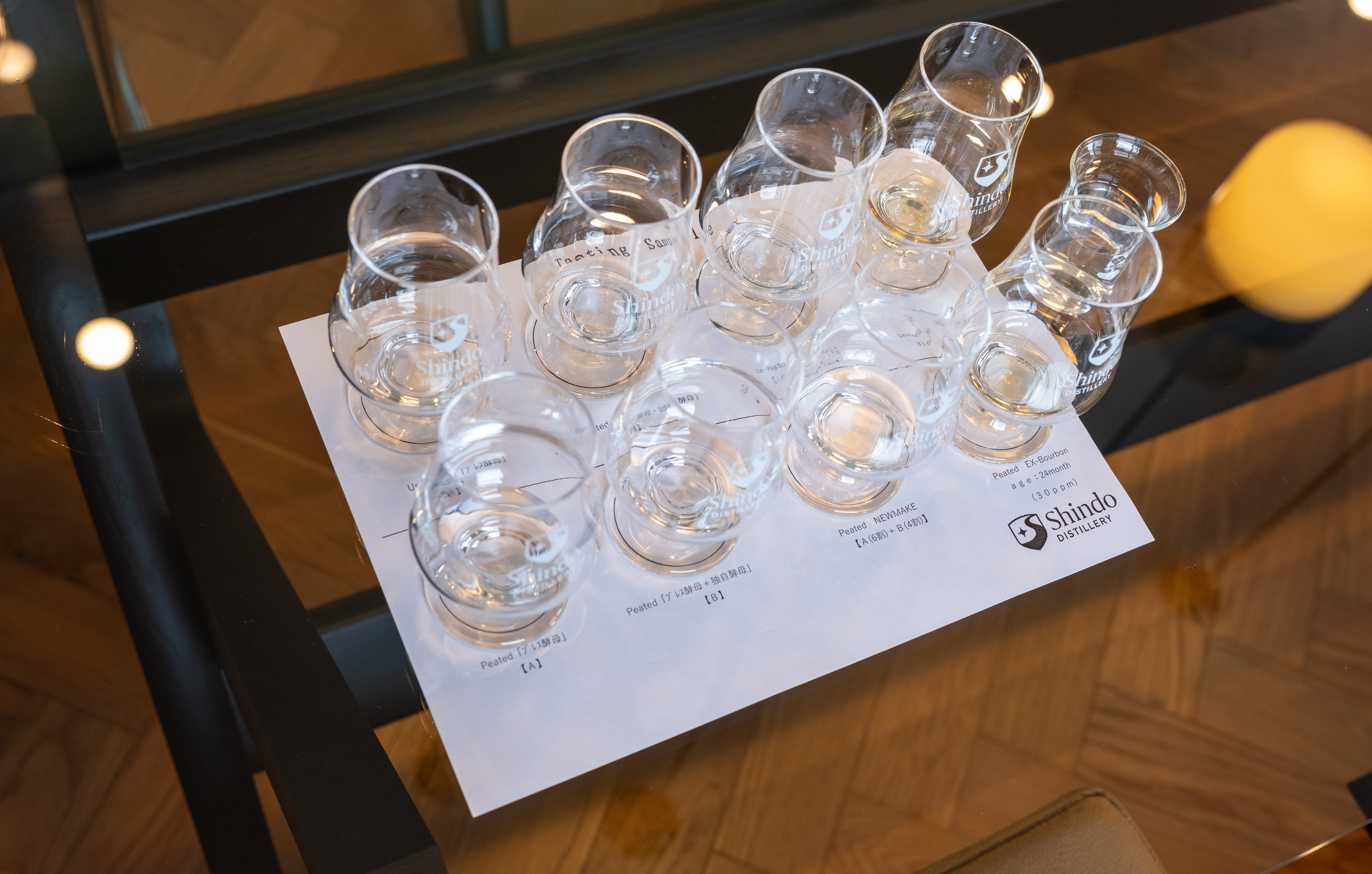
At Shindo Distillery, fermentation is treated as a fundamental variable. Different yeast strains are explored not for novelty, but for the way they alter texture and aromatic profile at the point the spirit is first created. The resulting new make carries a distinct character into the cask. Something already formed, rather than something waiting to emerge.
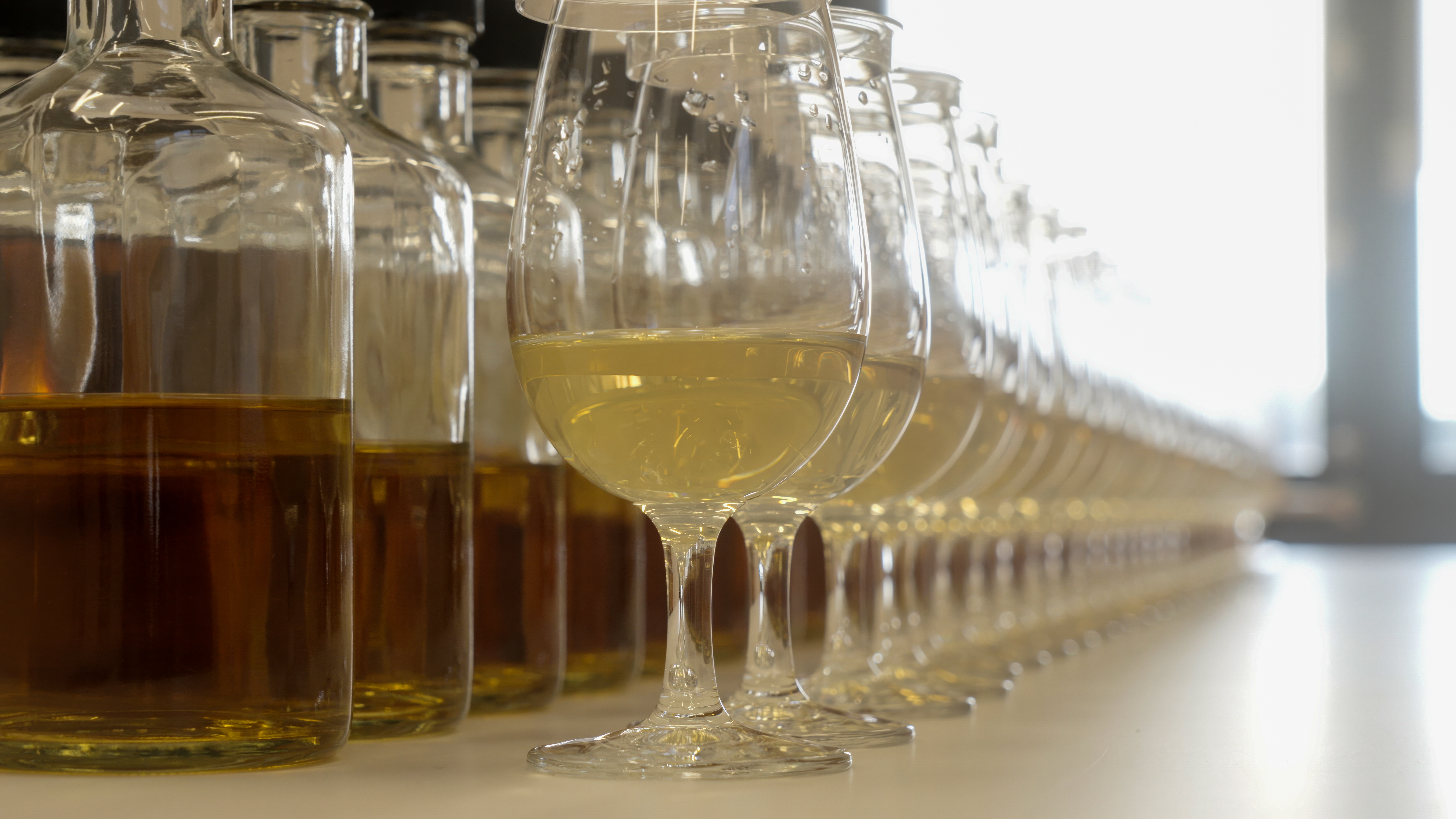
When the dekantā team visited in summer 2024, they were presented with eleven different new makes to sample, showcasing a range of yeast strains combined with differing malts. All were impressed by the quality and range presented in the tasting. A second visit one year later revealed thousands of samples being tested in their lab. This is a distillery studying whisky down to the microbe. Consumers can now experience the results for themselves by trying the inaugural release: Shindo Experimental 01.
In Shonai, the focus is on distillation itself. At Gakkogawa Distillery, the timing of the cut is approached with a level of attention that borders on ritual. Rather than a single Head Distiller making the decision, the wider team gathers to determine the precise moment the spirit run should be divided. Each member noses and tastes the spirit, wort and all, until there is agreement that the cut should be made.
Gakkogawa is on the cusp of its first release. To date, its New Make releases have already won awards at international competitions and sold out at festivals in Japan.
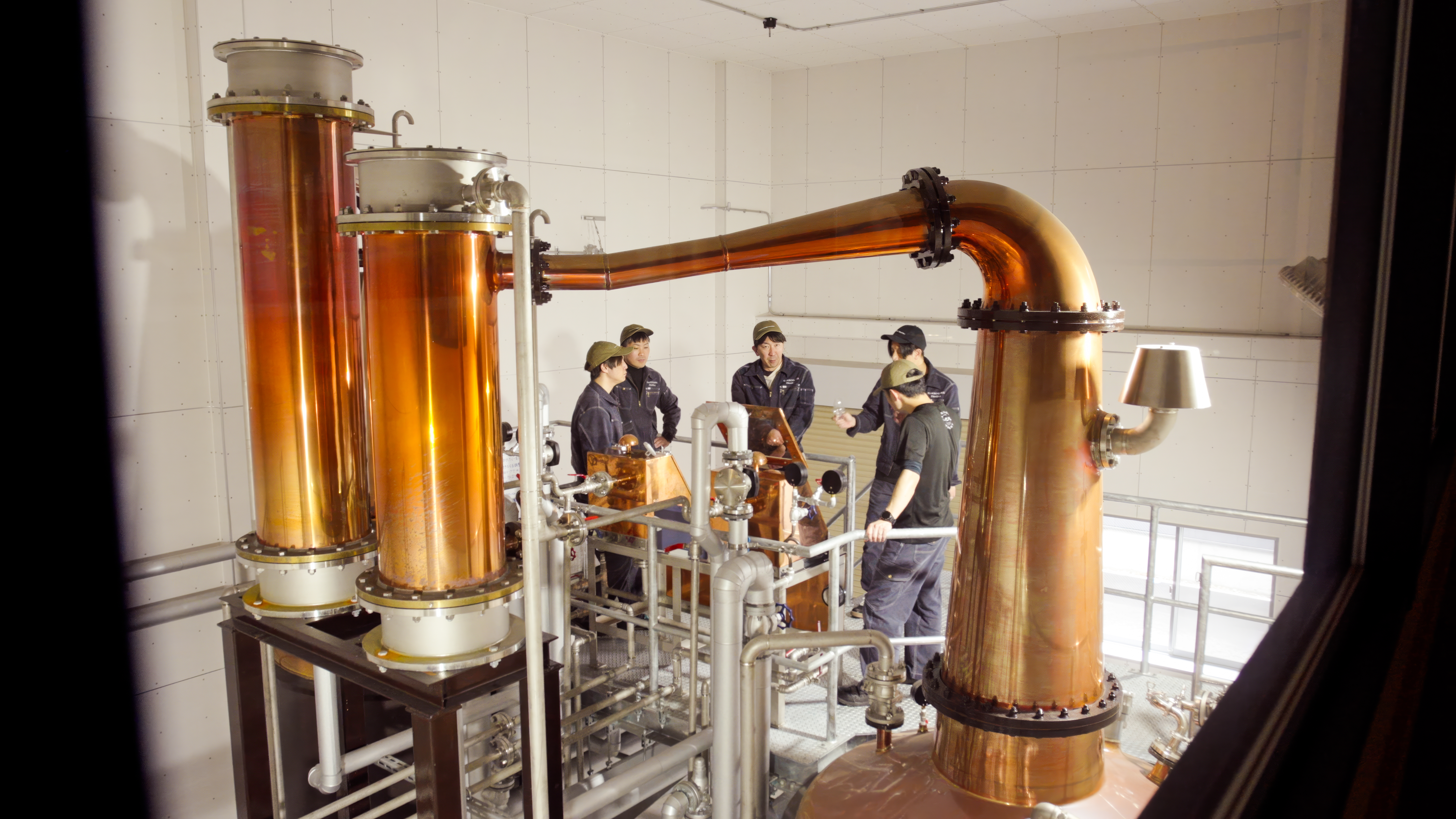
The distillery is set up to produce a lighter, more refined new make from the outset. This starts with the use of clear wort, which removes heavier solids and leads to a cleaner, more precise distillate. Fermentations are extended to build aromatic complexity, while the stills themselves are designed with upward-angled lyne arms to encourage reflux, returning heavier compounds back into the pot and favouring a more delicate spirit.
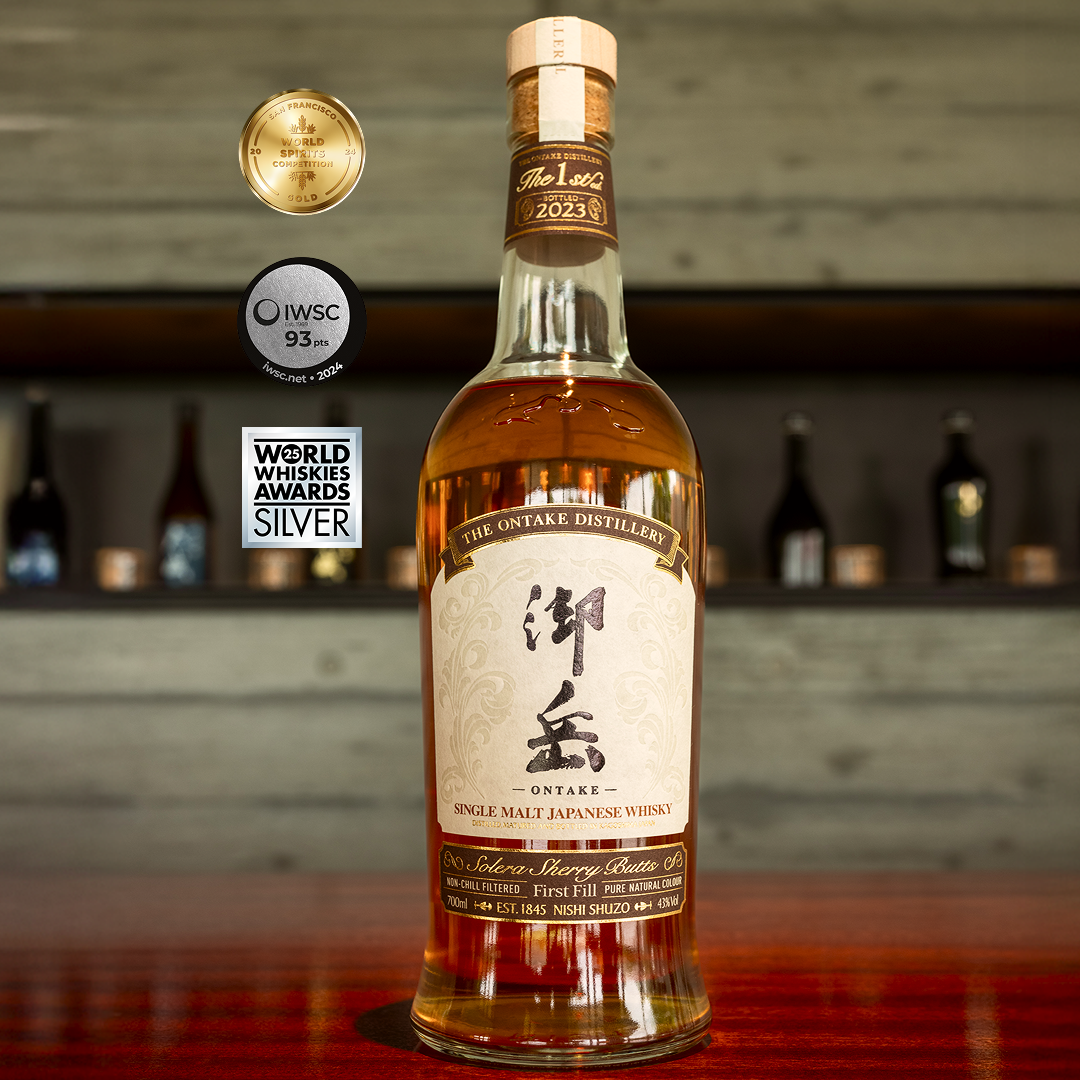
From there, maturation becomes a further layer to something that’s already very drinkable. Ontake has made use of high-quality casks, including rare ex-solera system sherry barrels, which introduce structure and depth without overwhelming the distillate. Combined with the region’s humid climate, where interaction between spirit and wood is more active, the result is a whisky that develops flavour at speed.
The response to the inaugural release reflects this. Bottled at three years old, it has already received multiple awards, including a gold medal at the San Francisco World Spirits Competition. A level of recognition that is uncommon for a whisky of this age.
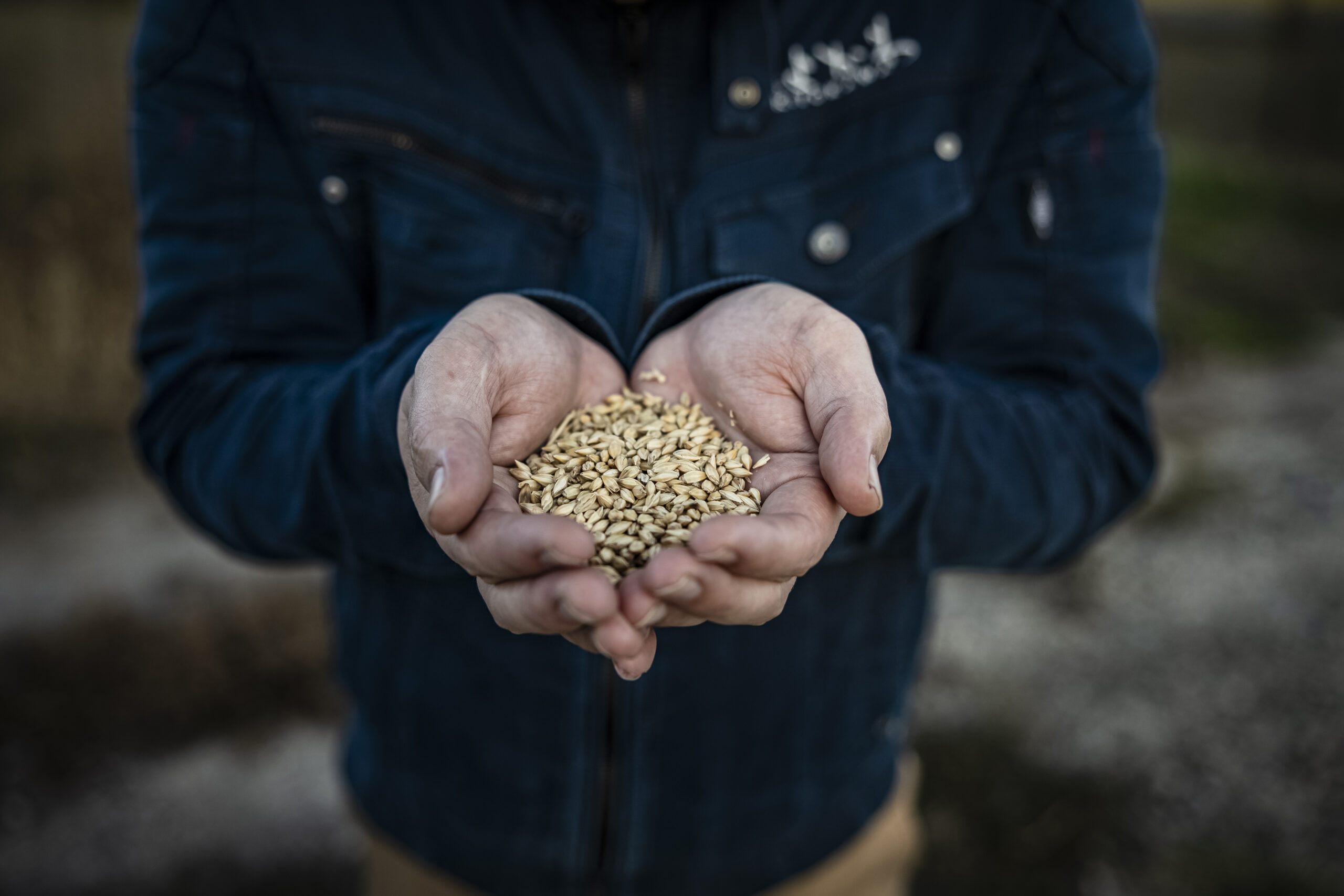
Unlike casks or stills, it resists easy adjustment. Quality varies with season and soil. Factors that sit largely beyond the control of the distillery. For that reason, it is rarely acknowledged as a contributor to the quality of a whisky.
Yet the importance is well understood. Mark Reynier, through his work at Waterford and Bruichladdich, has spoken at length about barley as the origin of flavour. His approach, distilling individual whiskies with barley from single farms, is an attempt to understand that variation.
Anyone who has sampled Waterford’s single farm releases will recognise the variation in flavour across their bottlings. What is more striking is that these farms are often close neighbours, yet their barley produces markedly different whiskies.
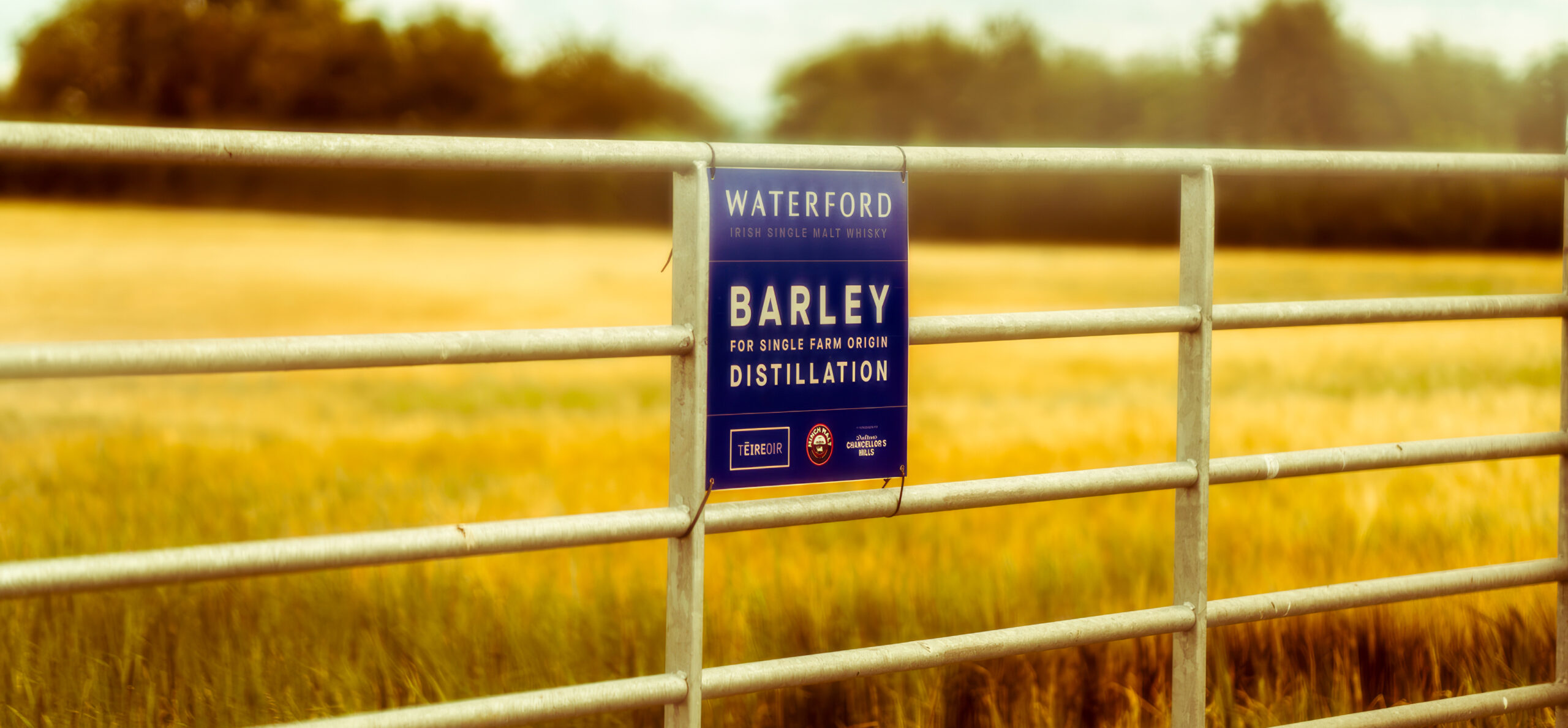
Japan is not a natural home for it. Barley favours cool, dry conditions, while much of Japan’s climate is defined by heat, humidity and heavy rainfall. Factors that not only limit yield, but increase susceptibility to disease. Even where it is successfully cultivated, output remains comparatively low.
Land presents a further constraint. With only a small proportion of the country suitable for agriculture, and much of that historically dedicated to rice production, barley has rarely been prioritised. It is often grown in rotation, or on less suitable ground, rather than in conditions designed for consistency and quality.
As a result, producing high-grade malting barley domestically is not straightforward. It requires adaptation, experimentation, and in some cases, entirely new strains developed specifically for local conditions.
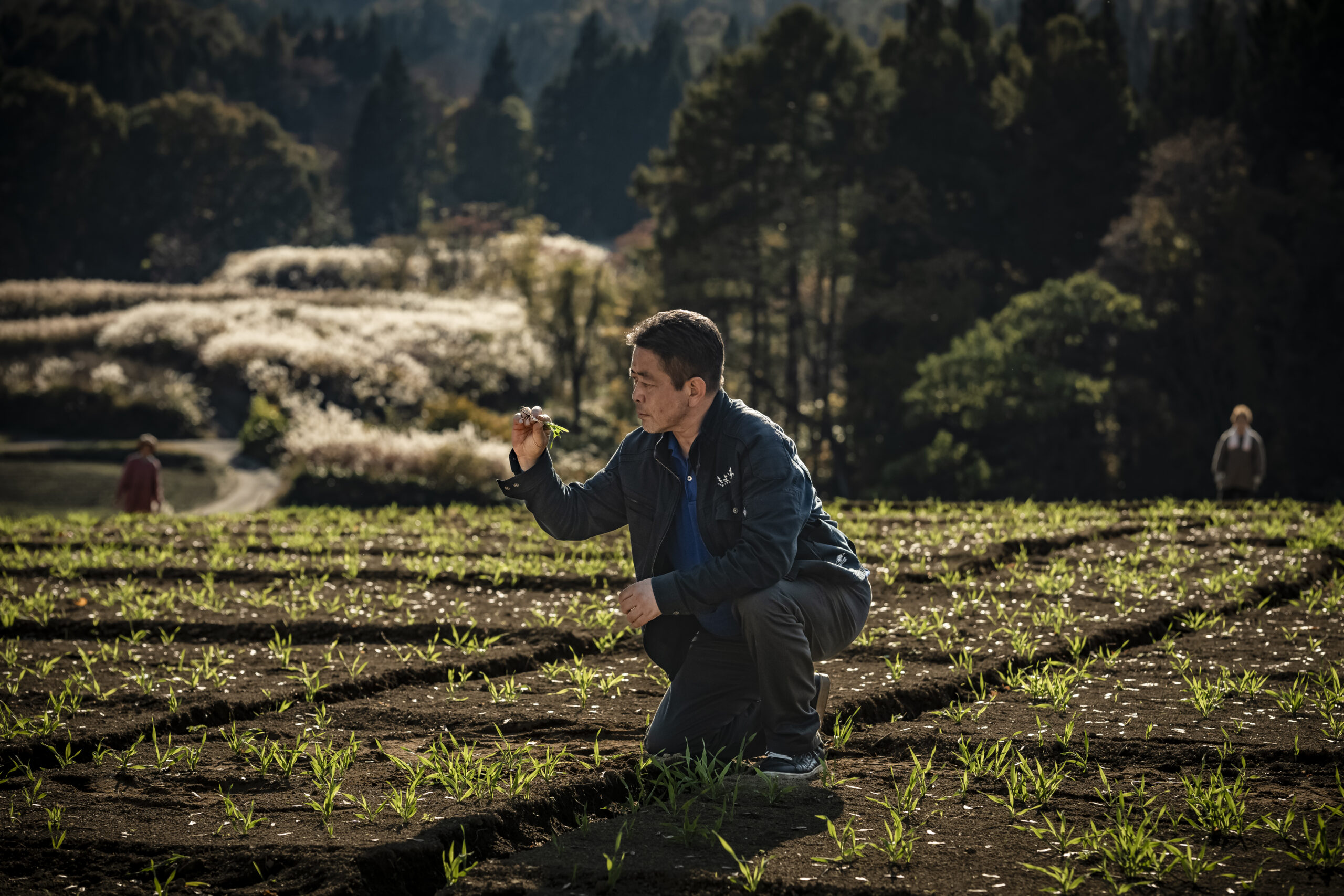
One of the clearest examples can be found at Kiyokawa Distillery. Here, barley is grown on-site by the Kiyokawa team. A mixture of distillers and local farmers who bring generations of knowledge from working the land. Developed in collaboration with the Institute of Agriculture, Kiyokawa has developed a unique barley strain adapted to the conditions of Iiyama; it’s able to endure the weight of winter snow before continuing through the intensity of summer. With each passing year, the barley fields grow thicker and more established as they bed in.
This is a distillery that refuses to cut corners for the sake of efficiency. Fermentation, for example, can extend to eight days. Which is close to four times longer than standard practice.
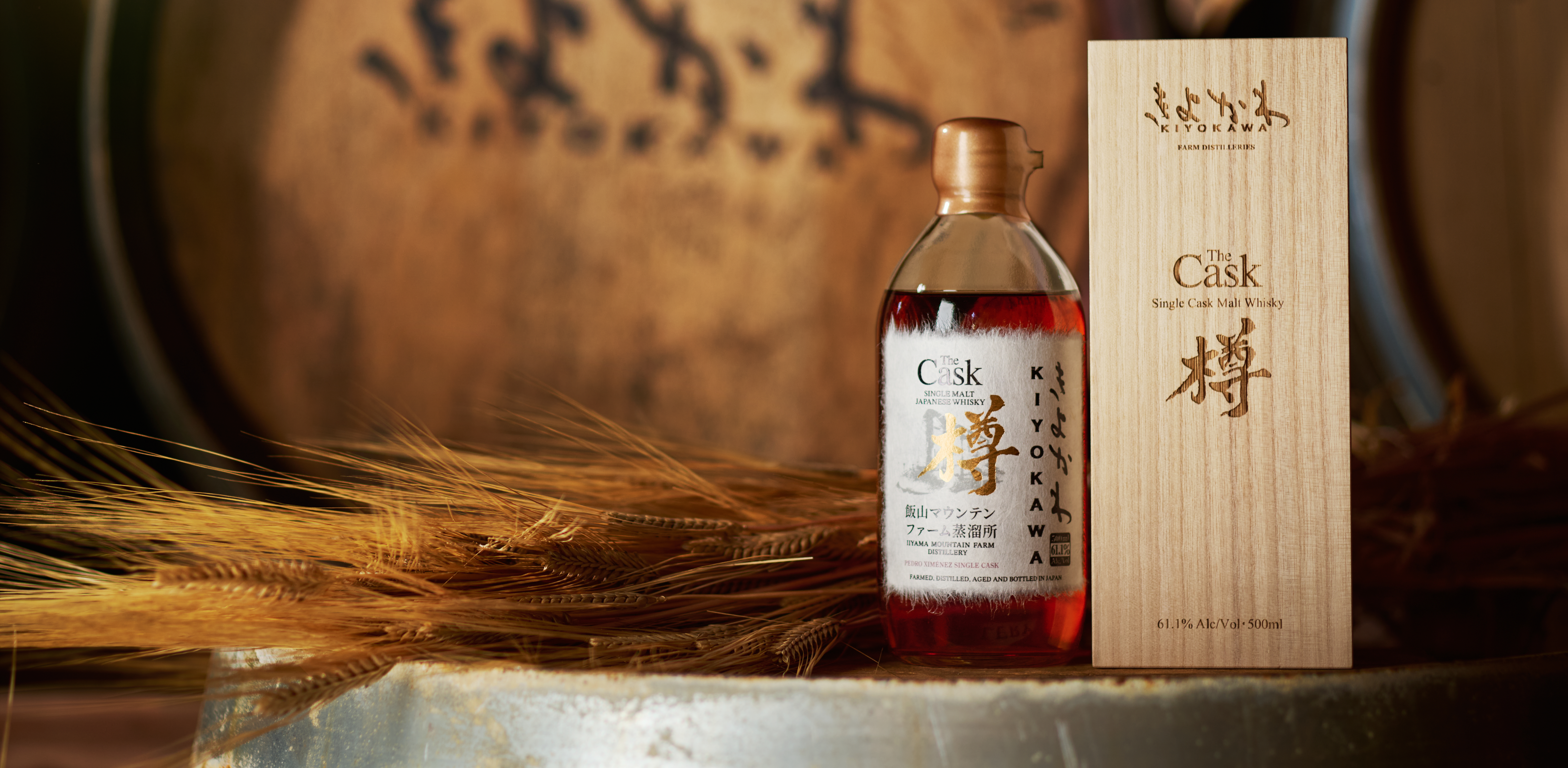
And yet, Kiyokawa’s inaugural release, The Cask, is bottled at the earliest point of three years, while still showing a level of structure and depth that belies its age.
If this is the starting point, only time will tell how these whiskies develop into the future.
Published: May 7, 2026Author: Billy Craigan